

























































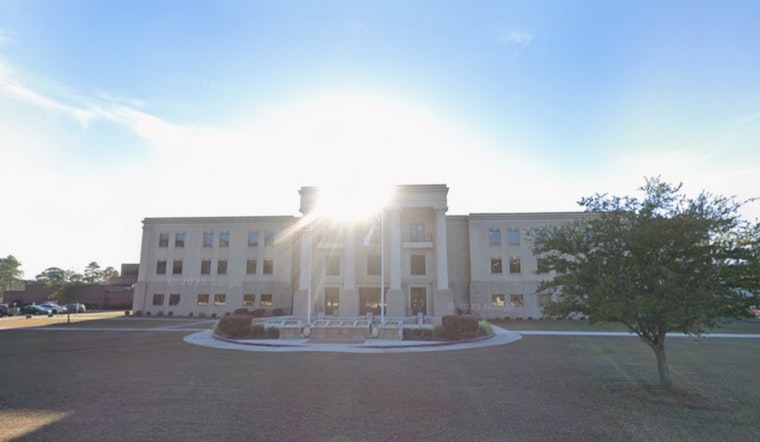
A South Carolina developer whose 1,300-home subdivision plan was shot down by Brunswick County last month is now asking a judge to step in. The company and its engineering firm filed a lawsuit Monday in Brunswick County Superior Court, arguing their proposal checked every box in the county rulebook and should not have been rejected. The clash pulls long-simmering worries about rapid growth, flooding and strained local infrastructure straight into a courtroom fight.
Developer Files Suit
According to Triangle Business Journal, the complaint asks a judge to overturn the planning board’s denial or send it back for further review. The filing, the outlet reports, contends the Green Hill Planned Development met the standards in the county’s Unified Development Ordinance along with other technical requirements. The plaintiffs are asking the court for relief that would either reinstate approvals or force the county to take up the application again.
Why The Board Said No
The planning board rejected the Green Hill project after a heated public hearing where residents and emergency responders warned that local roads, schools and stormwater systems are already stretched thin. Port City Daily reported the proposal would have added roughly 1,340 homes on about 784 acres and highlighted neighbors’ concerns about extensive wetlands and flood risk. Local television coverage of the April meeting captured the board’s 3-1 vote to deny the plan, a decision that put the tension between large-scale development and the Winnabow community on full display.
Regulatory Backdrop And Growth Pressure
Brunswick County’s broader growth story looms over the dispute. State demographer data and state reporting show the county is among North Carolina’s fastest-growing, a surge that has tested both infrastructure and planning capacity. The North Carolina Office of State Budget and Management has flagged those population gains in recent estimates, and local reporting has noted a recent Department of Environmental Quality rule change that has stalled certain permits and injected new uncertainty into major projects. That mix of rapid expansion, added regulatory hurdles and organized neighborhood pushback helps explain how a planning-board vote turned into a lawsuit so quickly.
What Comes Next
The filing triggers a formal judicial review of the planning board’s decision. The developers are asking the court to overturn or remand the denial and to require the county to follow what they say are its own written development standards, as outlined by Triangle Business Journal. The next steps will play out through Superior Court filings and scheduling, which will determine whether the county mounts a full defense of the board’s call, pursues mediation or tries to negotiate a settlement before the case reaches full briefing and hearings.
Local Voices
“This is not buildable land,” resident Jennifer Gates told the planning board during the April hearing, according to Port City Daily. Developers have argued that big projects like Green Hill can pay for upgrades to roads, drainage and other public systems, but neighbors counter that those promises do little to address immediate safety fears or the challenge of getting in and out of the area during major storms.



