

























































Internal Army documents that surfaced Tuesday show the service is suddenly trimming training across the force to cover a staggering 4 billion to 6 billion dollar budget shortfall. Schools and unit courses are being canceled with little warning, aviation commands are cutting flights, pilots are being held to bare-minimum flying hours and select resident courses are going dark. Leaders insist the shakeup is meant to protect mission-critical capabilities, but the timing - just weeks before the fiscal year wraps - has already lit up Capitol Hill.
What got cut and who is feeling it
As reported by ABC News, internal documents and U.S. officials say the Army is scrambling to close that multibillion-dollar gap by slashing training from elite schools all the way down to basic unit exercises. According to that reporting, the service abruptly canceled at least one Army Sapper Course and called off an artillery course set for Fort Campbell, Kentucky. Units across multiple commands have been told to comb through travel and training budgets line by line as leaders hunt for immediate savings.
Aviation squeeze and Capitol Hill scrutiny
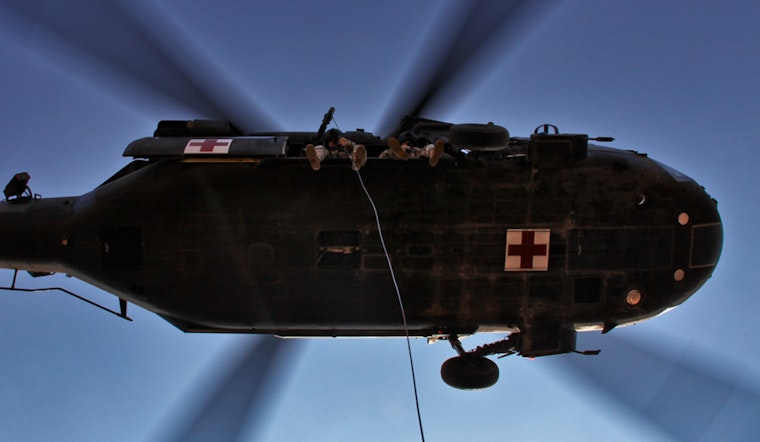
The budget crunch is putting a harsh spotlight on Army aviation. Defense Secretary Pete Hegseth told lawmakers he was "taking another look" at steep aircraft procurement cuts, according to Breaking Defense. The broader fiscal year 2027 proposal, along with related shifts in procurement, has fueled pointed questions on the Hill about whether trimming buys and flying hours now will leave the Army with dangerous capability gaps down the road.
Why the money ran short
Officials are pointing to a growing stack of operational demands as the main culprit. Costs tied to the Iran war, an expanded mission on the southern border and rising personnel and fuel bills are all feeding the shortfall. The Army has also taken on missions that are normally funded by the Department of Homeland Security and is still waiting on reimbursement. Reporting notes an ongoing National Guard deployment in Washington, D.C., projected to cost roughly 1.1 billion dollars this year. Lawmakers have also flagged higher fuel-price assumptions as another strain on service budgets.
Army response and internal warning shots
In a statement reported by ABC News, an Army spokesperson said commanders are prioritizing critical readiness while staying inside current funding lines. The internal plan reviewed by reporters carries its own stark warning. It notes that III Armored Corps, a formation of roughly 70,000 soldiers and a large slice of the Army’s heavy combat power, could see about half of its formation budget cut. Aviation units tied to those changes may end up deploying next year at what planners bluntly describe as a "lower state of readiness."
How it plays out in the field
Soldiers and unit leaders told reporters the cuts will land hardest on the training that builds real-world experience and unit cohesion, not just check-the-box requirements. One briefing warned it could take a full year to rebuild "combat proficiency" after the current round of reductions. Training that leans heavily on travel, live-fire ranges and aviation time is being reshuffled to the back of the line, which leaves some midlevel leader-development and specialty courses on the chopping block, per local reporting.
What happens next
Lawmakers pressed Pentagon witnesses during budget hearings and signaled they want a much clearer picture of how the supplemental request and the fiscal year 2027 plan will translate into real-world readiness, Breaking Defense reported. For now, the Army is shifting money around to keep critical missions running while it waits on reimbursements and congressional decisions. Commanders are already warning that if the cuts stick, units will need both time and fresh funding to claw their way back to previous levels of proficiency.



