

























































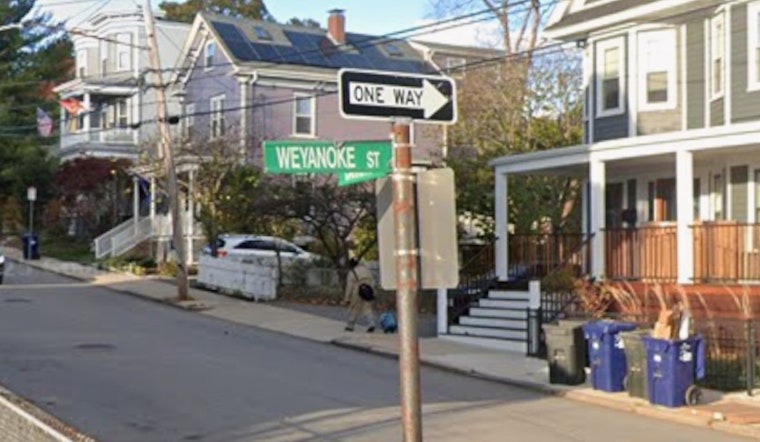
In a housing market where listings vanish almost as soon as they hit the MLS, buyers across Greater Boston are turning their attention to the properties most people would rather forget: burned-out, condemned houses. From a charred two-family in Dorchester that went under agreement almost instantly to a Melrose owner who rebuilt after a fire and watched his property value soar, contractors and small developers are increasingly betting that a wrecked starting point can still pencil out.
Dorchester Home Under Contract In Days
A burned and condemned two-family in Dorchester drew immediate interest and went under agreement just two days after it hit the market, according to local reporting. Anthony Bruno, the listing agent, told NBC Boston that many of the bidders were contractors and developers who are used to major renovations and know how to move fast when they see potential.
What Agents See
The Boston Globe, which visited the property at 5 Weyanoke St., reported that the house went under agreement at its $776,000 asking price and highlighted details like old mantels, hardwood floors and proximity to the Ashmont T that make the lot especially appealing. The piece argues that a battered exterior can hide usable square footage and existing infrastructure that keep costs down in return-to-rent calculations, as detailed by The Boston Globe.
One Owner Chose To Rebuild
Not every burned house winds up in a developer’s portfolio. In Melrose, homeowner Paul Schille decided to rebuild his mid-1800s house himself after long insurance delays. He said the project took about 19 months and roughly $775,000 in out-of-pocket spending. Schille told NBC Boston that the finished two-family is now worth roughly $1.8 million, and he urged homeowners to check their coverage regularly and consider a public adjuster when claims get complicated.
Economics That Make The Gamble Rational
The basic math is hard to ignore. Limited buildable land and still-strong property values mean that even fire-damaged lots can be worth the hassle in many Boston neighborhoods. Zillow’s April market report pegs the typical Boston home value near $732,500, a reminder of how high local comps run and why buyers are willing to endure long, messy rehabs in exchange for potential equity gains, according to Zillow Research.
How Neighborhoods Change
What happens after a contractor or developer picks up a damaged property can vary a lot. Some buyers restore the existing building, keeping the street’s look largely intact. Others demolish and build new units that can alter the feel of a block and reset price expectations. That ongoing tension between return on investment and neighborhood preservation shows up in local reporting and agent commentary on the Dorchester sale and other post-fire deals, as noted by The Boston Globe.
Practical Advice For Buyers And Owners
For buyers tempted by a low list price on a fire-damaged house, the fine print matters. Lining up a contractor’s estimate, confirming permitting requirements and checking insurance costs should all happen before making a commitment. Sellers and would-be rebuilders are often warned to document damage carefully, stay in close contact with insurers and budget for months of permitting and surprise expenses. Those are lessons the Melrose homeowner underscored after getting his own rebuild across the finish line.





