

























































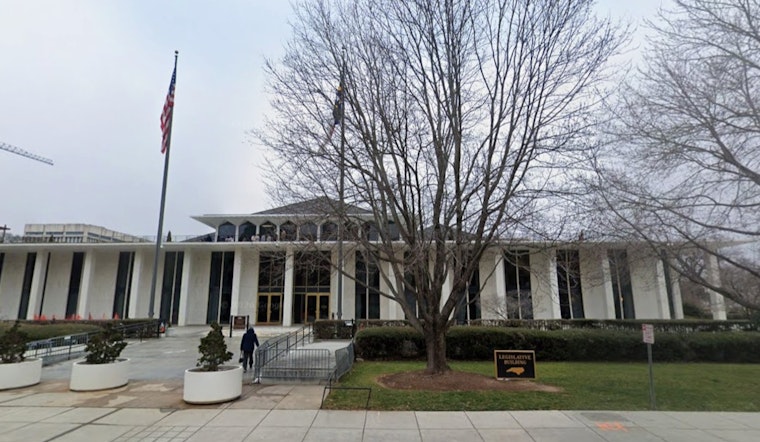
Hallways at the North Carolina General Assembly filled up on Tuesday, May 12, as dozens of cancer survivors, patients and doctors showed up with a clear message for lawmakers: move on a stalled biomarker testing bill. Supporters say the proposal could help steer patients toward targeted therapies and spare some from the harsh side effects that come with traditional chemotherapy.
House Bill 567, formally filed as Ensure Access to Biomarker Testing, cleared the North Carolina House on May 7, 2025, with a 110-2 vote, according to the North Carolina General Assembly. The primary sponsors listed in the legislative record are Reps. Diane Wheatley, Howard Penny, Grant Campbell and Ben Moss.
Rep. Grant Campbell, a Republican physician and one of the bill's sponsors, told ABC11 that biomarker testing "can improve outcomes" and may ultimately save money by helping doctors get patients on the right therapy sooner. Winston-Salem resident Ethan Davis, who said doctors pinpointed the gene driving his brain cancer, described how targeted therapy changed his life: "I literally remember waking up the first day after starting this medication feeling like a completely different person," he told ABC11.
How biomarkers guide treatment
Biomarker testing, also called molecular profiling or tumor sequencing, looks for genetic changes, proteins and other markers that can help flag which drugs are most likely to work for a patient's tumor, according to the National Cancer Institute. Clinicians use those results to match patients with FDA-approved targeted therapies or clinical trials, a shift advocates say can spare patients from ineffective, toxic chemotherapy that offers side effects without much benefit.
What's next at the General Assembly
Although the House approved HB567 last year, the bill was sent to the Senate and referred to the Rules committee on May 7, 2025, according to the state's bill record. Advocates timed Tuesday's Cancer Action Day to hold a news conference at the Legislative Building and fan out for meetings with lawmakers, pressing Senate leaders to schedule a vote, according to the American Cancer Society Cancer Action Network.
Supporters left the Capitol saying they plan to keep up the pressure for a Senate floor vote this session. Third-party bill trackers show the same sequence of House and Senate actions on HB567, which readers can follow on sites such as FastDemocracy.





