

























































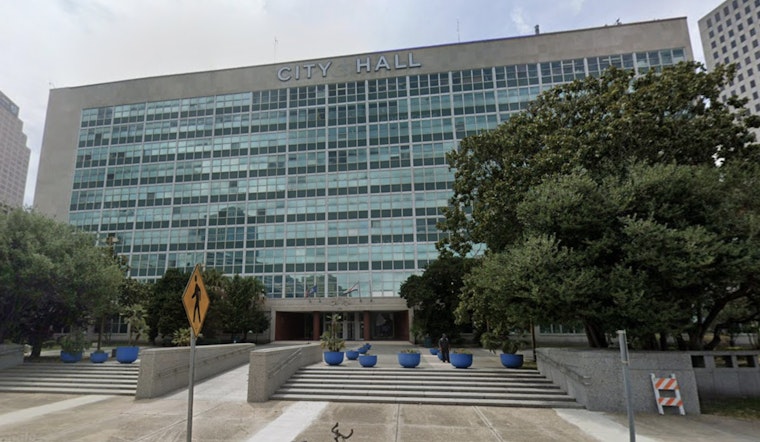
New Orleans’ Municipal and Traffic Court judges have signed off on a $5 million transfer from the court’s judicial expense fund into the city’s cash-management account, giving City Hall some badly needed breathing room as it stares down a massive budget shortfall. The money comes from court-generated fines and fees that usually support court operations and related programs. City officials are stressing that this is a short-term liquidity boost, not a magic fix for a gap that runs into the hundreds of millions.
Where the $5 million came from
According to FOX 8, the court moved $5 million out of its judicial expense fund and into the city’s coffers on Wednesday. Judges control that fund, which is filled by court costs and fees, and did not disclose how much money remained after the transfer. City officials said the cash went into the broader cash-management fund to help cover immediate obligations and keep day-to-day operations stable.
How the court fund works
As detailed by the Louisiana Legislative Auditor, the judicial expense fund is the court’s main operating account. It includes several legally defined subfunds, such as probation and building-and-maintenance accounts, each earmarked for specific court programs and services. When judges consider moving surplus cash, they have to navigate those statutory limits and ensure basic court functions stay funded. Court administrators are effectively walking a tightrope between protecting their own operations and answering the city’s call for help.
Deal was in the works since March
A March 11 announcement from the City Council’s budget office, cited in a release from City of New Orleans, said Council Budget Chair Lesli Harris had been working with court leaders for weeks to identify extra reserves that could be returned to the city. The statement credited court leadership, including Judge Bobby Jones, for helping locate the $5 million. Harris framed the deal as part of a broader effort to tighten short-term financial oversight and squeeze every available dollar into the city’s bottom line.
Officials praise the move
Mayor Helena Moreno publicly thanked the judges for “stepping up in a meaningful way,” saying the infusion helps shield essential services from immediate cuts, according to FOX 8. Chief Administrative Officer Joe Giarrusso III went even further, calling the transfer “selfless.” Traffic Court Judge Joseph Landry told local outlets the court carefully weighed its own obligations before agreeing to part with a slice of the fund and concluded that a partial transfer was appropriate to support critical city services. Officials on all sides are stressing that the move was both deliberate and meant to be temporary.
Why the cash matters now
The $5 million lands at a sensitive moment for the Moreno administration, which has been racing to steady city finances while dealing with very tight cash-on-hand. Earlier this year, reports surfaced that the general fund balance had dipped to just a few thousand dollars. Local reporting has chronicled a mix of spending cuts, furloughs and one-time revenue maneuvers as stopgaps, while city leaders chase larger injections such as a roughly $100 million arrangement with Caesars and other reserve strategies. Analysts and officials have warned that those bigger pieces are aimed at rebuilding reserves and shoring up the city’s credit standing for future borrowing, not at solving every short-term crunch.
What residents should know
Because the judicial expense fund is primarily designed to pay for court operations, judges said they had to consider how any transfer might ripple through their own programs. Local law also spells out how surplus balances can be divided between the court and the city. The city code and court financial reports lay out the fund’s subaccounts and distribution rules, which is why these transfers are typically calibrated to keep core court services intact while still sending a portion to the city’s general fund. For now, officials say the $5 million should ease immediate cash pressure as they continue working on longer-term revenue and reserve plans.
Everyone involved is clear on one thing: this is a bridge, not a cure-all. The city is still staring at a structural deficit in the hundreds of millions that will require continued cuts, asset moves and negotiated revenue deals in the months ahead.





