

























































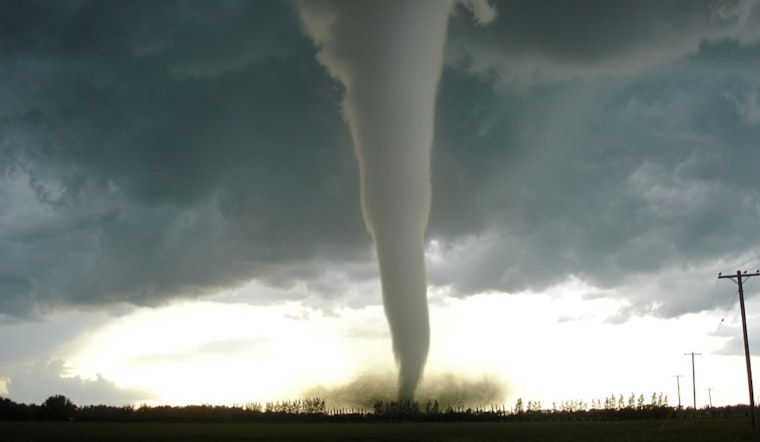
Tornado season is back in the Chicago area, and the atmosphere is about to get busy. Forecasters say the next few weeks, the local peak of the season, bring the highest odds for twisters, even though most are expected to stay on the weaker EF-0 and EF-1 end of the scale. Here is a quick local rundown on the latest counts, when to stay most alert and what to do if a warning pops up on your phone.
What the recent numbers show
NWS Chicago records list 63 tornado reports in 2024 and 58 in 2023, putting both years among the busiest in the office coverage area. The office year-in-review also flagged an active 2025, and Chicago Tribune reporting notes that NWS confirmed 25 tornadoes across the forecast area that year. Taken together, those swings highlight how wildly the season can vary from year to year and why fast, reliable alerts matter for residents across the region.
“Odds are we will probably have more tornadoes occur in the coming weeks,” NWS meteorologist Rafal Ogorek told the Chicago Tribune. The Tribune also reports there have already been 26 tornadoes so far in 2026, most of them in March and April. That early spike is a reminder that the season can ramp up quickly, and it is one reason forecasters keep nudging people to double-check their alert settings as new storm systems roll in. Ogorek said additional storms were expected over the weekend, although the exact impact on the city itself was still uncertain at the time.
When to watch the skies
Local climatology shows that tornado days tend to pile up in late spring. NWS Chicago data finds tornadoes are most frequent in May and June, with a broader severe-weather window that typically stretches from April through September. Day by day, the highest risk usually shows up in the late afternoon and evening hours, and June often stands out for some of the most significant severe-weather days of the year. Even when a morning looks calm, the setup can flip fast, especially during the May-to-June peak.
How to prepare now
Federal guidance focuses on a few basics that really matter. Turn on Wireless Emergency Alerts on your phone, keep a NOAA Weather Radio with a battery backup nearby and choose a safe spot in advance, such as a basement, storm cellar or a small interior room with no windows on the lowest floor. Ready.gov and the CDC outline these same steps and recommend practicing your shelter route so everyone in your household knows exactly where to go and how to get there quickly. If you live in a mobile home or spend a lot of time outdoors, it is especially important to identify a nearby sturdy shelter ahead of time and be ready to move as soon as a warning is issued.
Late spring is the moment to tighten up that plan, not to start from scratch. Check batteries, confirm your alert settings and make sure anyone who might need extra help getting to shelter knows what to expect. When storms line up on the radar, follow local emergency managers and official updates for the fastest, most specific guidance as severe weather approaches.





