

























































Chicago’s Department of Public Health quietly left tens of millions of federal pandemic dollars sitting unused, even as it shut down COVID-era programs and trimmed staff. The unspent awards, largely tied to CDC-funded epidemiology and laboratory capacity grants and a major public health infrastructure award, total roughly $80 to $95 million, according to records reviewed by reporters. The gap has fueled questions about whether testing, wastewater surveillance, and neighborhood equity work could have stayed alive longer.
Records Reveal a Massive Pile of Untouched Cash
According to the Chicago Tribune, an internal August spending report showed that two of CDPH’s largest epidemiology and laboratory capacity, or ELC, grants still had a combined $94,000,000 left on the books. Federal grant-tracking data cited in that reporting also show roughly $81,400,000 in ELC funds for the city remained unspent as of May 2026, and a separate Public Health Infrastructure grant still had about $36,800,000 of its original $42,000,000 available.
Inside the Decision to Wind Down COVID Grants Early
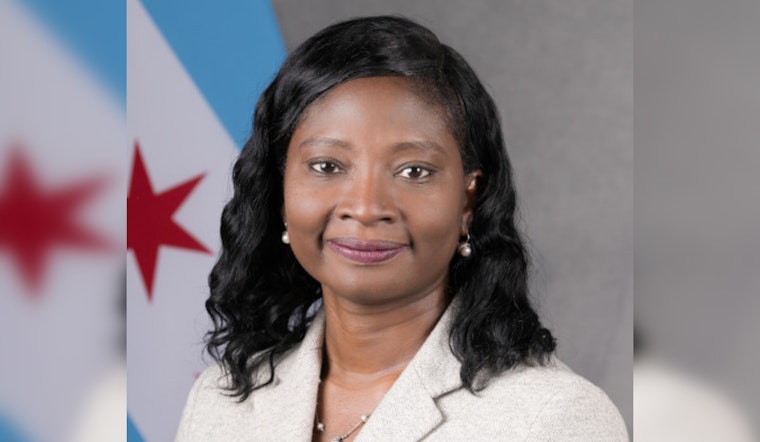
Commissioner Dr. Olusimbo Ige told staff in an August 27, 2025 message that “CDPH would be sunsetting a host of COVID-19 grants early” and said she had asked the CDC to move the ELC program’s end date up from July 31, 2026 to December 31, 2025, according to the Chicago Tribune. That call lined up with a major staffing shake-up. CDPH lists about 595 employees, and city records reviewed by reporters show roughly 200 people have either been fired or have quit since Ige took over.
Testing, Sewers and Neighborhood Outreach Left in Limbo
The federal grants were supposed to cover testing, genomic sequencing, workforce development and neighborhood outreach. Records show the city also contracted with Rush University Medical Center to run its wastewater surveillance program, a key early-warning tool for new COVID waves and other pathogens.
Federal spending records compiled on USASpending list the awards and their current balances. Without extensions or new city money, public health advocates warn that Chicago’s ability to spot outbreaks and sustain community-based programs will shrink, just as officials keep talking about preparing for the “next pandemic.”
City Hall Defends the Call, Critics Want Answers
Mayor Brandon Johnson’s office has backed CDPH’s approach. Spokesperson Allison Novelo called it “responsible budgeting” in a statement to the Chicago Tribune. Aldermen and public health groups, however, say the city still owes residents an explanation for why the money was not spent.
City leaders say they are reviewing options that include asking the federal government for more time or shifting local dollars to keep core lab and surveillance work going. Any move like that will have to compete with other budget emergencies already crowding the City Hall agenda.
Legal Fine Print and Long-Term Stakes
Federal grant rules generally require money to be used within specific award periods, and unspent balances are often reclaimed or reallocated by the agencies that issued them. The Chicago Tribune reporting, combined with federal tracking data, indicates the clock has already run out on several of the awards tied to Chicago’s COVID response.
What happens next is simple on paper and messy in practice. Chicago can seek extensions where possible, redirect city funds to replace the lost grants, or surrender the remaining federal cash. The choice will determine whether the city lets critical monitoring and prevention capacity wither or finds a way to keep it alive with local support.





