

























































Across Chicago and its close-in suburbs, owning a Frank Lloyd Wright house is starting to look a lot like buying a luxury car and then discovering the engine needs a full rebuild. Sale prices grab the headlines, but the real tab usually shows up later, in the form of failing roofs, tricky foundations, and one-off systems that can turn a celebrated address into a years-long, multimillion-dollar restoration marathon. One West Side Wright landmark now sits with a federal lender, while a carefully maintained Oak Park showpiece cleared more than $2 million this spring. That split is quietly reshaping who can realistically step in and keep these homes standing.
Market's Two-Speed Appetite
The Wright market has effectively split into two lanes: move-in-ready gems and daunting fixer-uppers. The Hills-DeCaro House in Oak Park, for example, closed on March 31 for $2.3 million, just $5,000 over asking, in a brisk deal documented by Homes.com. Agents say buyers are increasingly willing to pay a premium for homes where the heavy preservation work is already done, rather than take on a project that could eat up years and an unpredictable amount of cash.
A Landmark In Limbo
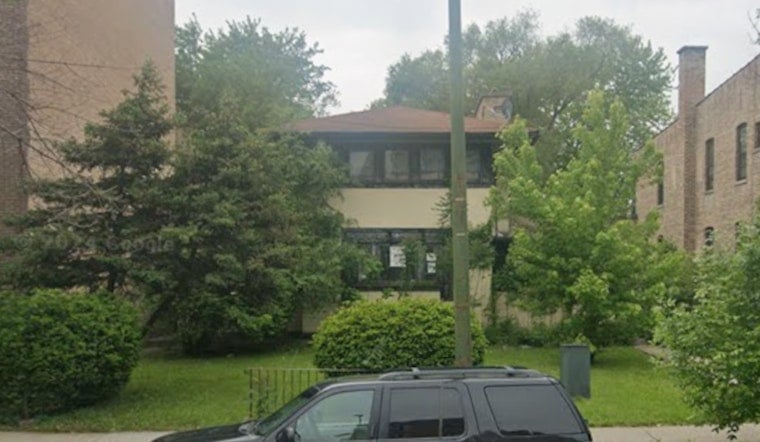
On the other end of the spectrum sits the J.J. Walser Jr. House in Austin, one of Wright’s early Prairie-style designs that is now vacant and badly beaten up. Landmarks Illinois lists the property at 42 N. Central Ave and documents holes in the roof and failing plaster inside. After foreclosure, the title shifted to a federal mortgage firm, and appraisers have pegged the market value at roughly $65,000. Conservators, however, estimate that at least $2 million would be needed to stabilize and restore the structure, according to reporting by the Chicago Sun-Times and local preservation groups. That huge gap between what it costs to buy and what it costs to fix is the central dilemma for potential buyers and advocates trying to save the house.
Why Repairs Balloon
Part of the problem is that Wright did not exactly build for convenience. He experimented with materials and methods that looked great on paper and in person, but can be a nightmare to repair. Custom concrete blocks, unusual roof assemblies and extensive art glass mean specialized trades and bespoke materials are often required. Preservation experts told The Real Deal that owners sometimes spend years tracking down the right parts or importing specialized mixes and crews. Architect John Eifler has even turned to treated recycled aluminum and geothermal systems in some projects to tamp down long-term operating costs. For owners looking to tap public tax incentives, there is another layer: projects have to comply with the Secretary of the Interior’s rehabilitation standards, which dictate what changes are acceptable, according to guidance from the National Park Service.
Preservationists Cobble Solutions
When the market, or a developer’s wrecking crew, threatens a Wright structure, preservationists sometimes resort to creative plays. In Glencoe, the Booth Cottage was literally picked up and moved into park ownership, where it is slated to be restored as a public exhibit, a rescue documented by The Architect’s Newspaper. For the Walser House, Landmarks Illinois says it can step in with pro bono architectural services, low-interest loans and donor connections to help line up funding. The Frank Lloyd Wright Building Conservancy has been coordinating court and community efforts aimed at stabilizing the building. Even with that kind of support structure, lining up specialized labor and the tens or hundreds of thousands of dollars needed just for emergency work remains a major hurdle.
What Buyers Should Budget
Anyone eyeing a Wright home should assume that specialist trades, long lead times and hefty contingency funds come baked into the deal. It is common for projects to run into the millions on top of the purchase price. Federal and state rehabilitation tax credits can soften the blow, but projects usually have to meet federal standards and state program rules to qualify, with industry summaries from Novogradac outlining the basics. For most would-be stewards, local preservation groups remain the smartest first call, offering technical guidance and connections to qualified contractors and potential funding partners before the real bills start to arrive.




