

























































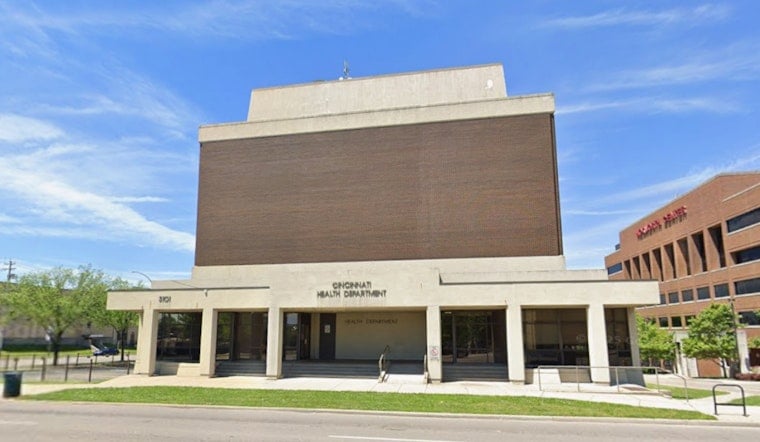
In Cincinnati, the difference between growing up in Lower Price Hill and in Mount Adams is not just about the skyline. City data show a child born in Lower Price Hill today can expect to live roughly 25 years fewer than a child born in Mount Adams, a gulf Cincinnati Health Commissioner Dr. Grant Mussman has called "very unusual." That grim math has pushed public health officials and community groups to focus hard on place-based prevention and data-driven interventions.
According to data from the City of Cincinnati Health Department, the city's neighborhood dashboard maps life expectancy and premature-death rates down to the block, making it possible to see exactly where early mortality is concentrated. That granular view is now guiding the department's outreach and program planning in neighborhoods that bear the heaviest burden.
A local outlier on the national map
As WVXU reported, Cincinnati's neighborhood life-expectancy gap ranks among the worst in the country, roughly 14th-highest out of the nation's 500 largest cities. Analysts say early deaths cost the city tens of thousands of years of life between 2020 and 2023. That national context helps explain why the health department is convening partners and chasing grant funding to tackle the problem at the neighborhood level.
What's driving the gap
Local reporting and city data point to a short list of preventable causes that account for most premature deaths. In 2025 the top five preventable causes in Cincinnati were infant mortality, heart disease, homicide, drug overdose and cancer, according to WCPO. Health Commissioner Grant Mussman says systemic racism, environmental hazards, poverty and gaps in access to food and health care all work together to produce the neighborhood differences.
Community workers describe how that reality shows up in everyday life. "A lot of our youth have been greatly impacted by gun violence," MoPoetry Phillips told WCPO, and Doris Thomas told the same outlet some young people answer the question "how long will you live?" with "I don't know, I don't care... five years," underscoring how trauma and normalized risk shape expectations and behavior. Those on-the-ground perspectives are central to how the city is designing prevention strategies.
Officials' pitch: data, partners and funding
Mussman says the department is working to translate the maps into action, bringing the data into neighborhood meetings, aligning service providers, and leaning on existing community groups. The health department has set an ambitious target of roughly a 20% reduction in the neighborhood gap by 2030 and is actively applying for grants and building partnerships, according to WVXU. The department's 2025-2030 strategic plan lays out place-based priorities and emphasizes the need for new funding, workforce support, and sustained community engagement, per the City of Cincinnati.
Where early wins might come
Local programs already offer models for quicker returns. Cradle Cincinnati's maternal-and-infant interventions, hospital "Mama Certified" work, community crib-distribution efforts, and home-visiting programs all target infant mortality, while harm-reduction and violence-interruption work focuses on overdoses and homicides. Recent local coverage documents both the successes and the gaps in those efforts and highlights a troubling recent uptick in infant deaths that makes the work urgent. For background on those trends and community responses, see ThinkTV.
Officials and advocates stress there are no quick fixes here. Progress will require sustained funding, cross-sector coordination, and years of work. Still, targeted interventions that move high-burden neighborhoods toward the city average could restore thousands of years of life to Cincinnati families each year.





