

























































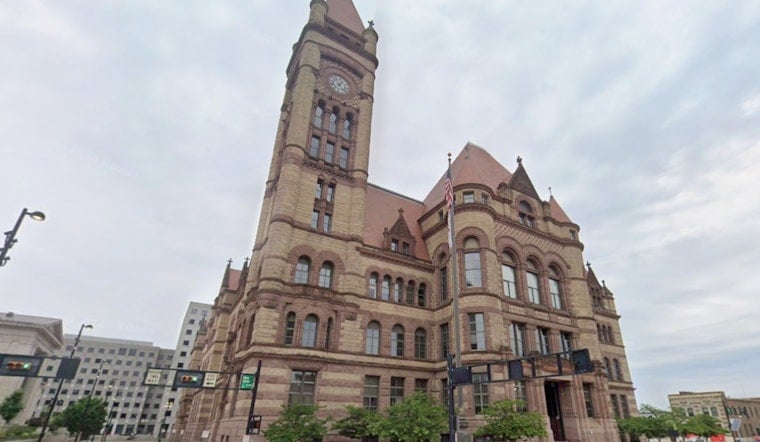
Cincinnati City Council is eyeing a new way to pressure troubled bars after two shootings outside an Over-the-Rhine nightclub left seven people wounded last year. The proposal would expand the city’s chronic-nuisance system beyond homes and into bars and other commercial businesses, with earlier warnings and escalating fines.
Councilmember Seth Walsh is sponsoring the push, which follows complaints about Privee on Elm before the violence. FOX19 reports the plan would flag businesses that repeatedly generate police calls and bring them into the chronic nuisance program before problems grow into a bigger public-safety crisis.
How Cincinnati’s Nuisance System Works
Cincinnati already has a chronic-nuisance framework for property owners dealing with recurring crime. The City of Cincinnati Law Department says owners can be required to submit a plan to abate chronic problems, while the Cincinnati Municipal Code lays out escalating citations that start at $500 and can reach $10,000 for later incidents.
The existing code also treats a premises as a potential chronic nuisance after repeated qualifying activity, but its published thresholds are written around residential units. The proposed expansion would give the city a way to apply that same basic pressure to commercial operators, although the final language and how calls are counted will matter to both businesses and neighbors.
Why Privee Is Driving The Push
Privee became the obvious backdrop for the debate after four people were shot near the club on Nov. 2, 2025, followed by another shooting that hospitalized three people on Nov. 23. WCPO 9 reported neighbors had complained about loud music, speeding, drinking and smoking outside, garbage and fights around the bar for months.
The shootings happened near Elm and Findlay streets, close to Findlay Market and Rhinegeist Brewery, sharpening concerns about whether city officials had acted quickly enough after residents began reporting problems. Hoodline previously covered the first shooting and the police investigation that followed.
What The Proposed Law Could Mean For Businesses
Walsh says the system would depend on residents reporting problems to police, because those calls could trigger earlier review. The proposal goes to a committee next week and is scheduled for a full council vote Wednesday; if approved, it would become law, according to FOX19.
That timing leaves the biggest policy question hanging over the proposal: how aggressively will Cincinnati use the ordinance, and how will it separate a business’s own failures from violence that spills onto a public street? Supporters are betting earlier warnings can prevent the next Privee-style escalation, while operators will likely want clear standards before recurring police calls start carrying a city price tag.





