

























































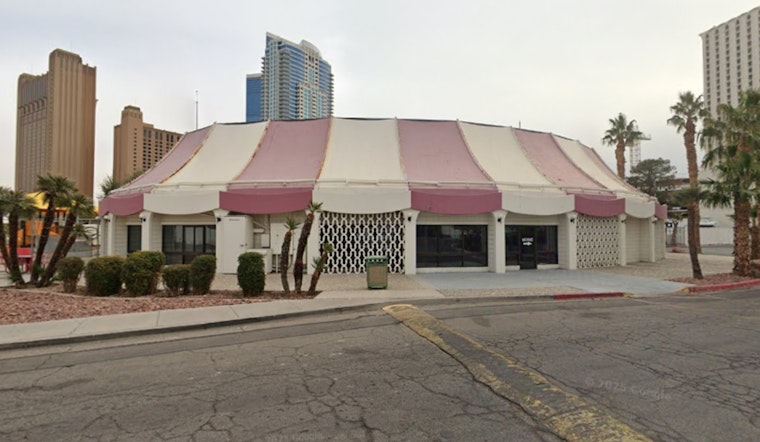
The bargain-hunting heart of Circus Circus just hit a legal tightrope. FGB Big Top LLC, the Strip food-court arm of Feel Good Brands, filed for Chapter 11 in mid-April, putting quick-service vendors and casino partners on alert. The company listed between $1 million and $10 million in both assets and liabilities, with at least several creditors in the mix. Court records and local reporting say the business owes more than $1 million to a Strip casino, and the Circus Circus food court briefly went dark in mid-April over past-due rent before reopening. Most counters are currently serving, but the restructuring could reshape who actually runs several food courts on Las Vegas Boulevard.
What the court filing shows
FGB Big Top LLC filed its Chapter 11 petition in the U.S. Bankruptcy Court for the District of Nevada on April 16, 2026, listing $1,000,001 to $10 million in assets and the same range in liabilities, according to a PACER summary published by Bankruptcy Observer. The case is numbered 26-12403, and the filing lists local counsel along with the debtor's Las Vegas address.
Docket entries show the company quickly asked for first-day permission to keep paying employees and other routine expenses while it reorganizes. The same summary notes a telephonic creditors' meeting, also known as a 341 meeting, set for May 21 along with an August 19 deadline for creditors to file proofs of claim, according to Bankruptcy Observer. A separate hearing tied to the filing is scheduled for June 2, BKAlerts reports.
Which Strip locations are involved
The debtor entity operates the Big Top food court inside Circus Circus, a cluster of quick-service outlets that caters to value-focused visitors. Other coverage notes that Feel Good Brands manages additional concessions across the Strip. As reported by TheStreet, the company runs recognizable fast-food franchises such as Popeyes and Burger King along with bagel counters in a space that was rebuilt as part of a 2021 revamp.
Debt to a casino and a short shutdown
The case is not just a paperwork shuffle. Local reporting and court summaries indicate FGB Big Top LLC owes more than $1 million to a Strip casino, a detail first highlighted by the Las Vegas Review-Journal. The same coverage notes that the Circus Circus food court was closed for roughly 24 hours in mid-April over unpaid rent, then reopened once the bankruptcy filing put legal protections in place.
The Review-Journal characterizes the case as one more sign of pressure on value-tier operators along the Strip, where budget-friendly options have been thinning even as visitor demand returns.
Automatic stay gives a short breathing room
The Chapter 11 petition triggered an automatic stay, which paused most collection activity and let the food court reopen while the company works on a reorganization plan, according to Casino.org. That outlet also reports that Treasure Island's TI Food Court and Excalibur's Castle Walk are not part of this bankruptcy because they are operated through different legal entities.
For casino landlords and franchise brands, the stay effectively buys a little time. In the coming weeks they will be watching to see whether these spaces stay with the current operator or ultimately slide back under direct casino control.
What bankruptcy protection means
Under federal bankruptcy law, a Chapter 11 filing automatically halts most creditor collection efforts while the case moves forward. The rule, commonly referred to as the automatic stay, is codified in Legal Information Institute. Creditors can ask the judge to lift the stay, but they have to show cause, which typically means persuading the court that they are being unfairly harmed by the pause.
In plain terms, the stay gives the debtor a chance to keep operating while it proposes a plan and the court referees disputes among landlords, lenders, vendors, and any other creditors.
What comes next
A telephonic 341 meeting of creditors is scheduled for May 21, followed by a June 2 hearing on the debtor's early motions, and creditors have until August 19 to file claims, according to the case docket summarized at Bankruptcy Observer. For now, the Big Top food court is open, and the company has temporary court approval to keep paying its employees while it sorts through the numbers.
Whether that safety net holds will depend on how negotiations go with landlords and lenders and whether the business can keep enough foot traffic flowing past those budget-friendly counters. We will continue tracking court filings and local coverage as the Chapter 11 case unfolds.





