

























































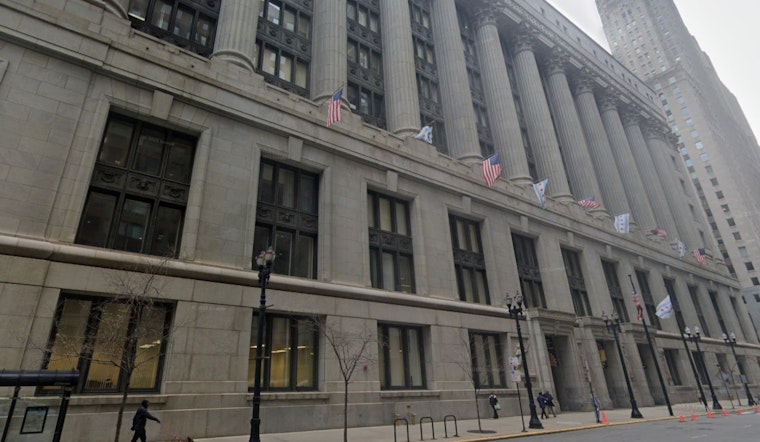
Chicago aldermen are moving ahead with a plan to test a centralized online portal that would let renters see affordable housing waitlists, track wait times and submit applications all in one place. The City Council's Committee on Housing and Real Estate signed off on a substitute ordinance for a two-year pilot and sent it to the full council. If it passes, the portal would pair city staff with state housing officials to knit together scattered waitlists and program data. Supporters say the change could pull back the curtain on how subsidized units are doled out, while skeptics are eyeing the price tag and long-term upkeep.
Council vote set for May 20
The ordinance is scheduled for a full City Council vote on Wednesday, May 20, according to the City Clerk. The committee advanced the measure after a hearing earlier this month that introduced a substitute AHAD ordinance, which now heads to the council floor for final consideration. If approved, the measure would authorize a two-year pilot overseen by a new working group that would monitor results and recommend whether the portal should become permanent. The City Clerk lists the regular council meeting as starting at 10 a.m. in the council chamber.
What the portal would do
As reported by the Chicago Reader, the proposed system would pull together housing waitlists, estimated wait times, property information and rental applications into a single searchable portal. The substitute ordinance directs the Department of Housing to partner with the Illinois Housing Development Authority on a two-year pilot that would use IHDA's existing website and the Chicago Housing Initiative's FairHome interface as the initial framework. Supporters say the tool could also generate quarterly reports for the council's housing committee and help flag discriminatory practices by comparing access across different neighborhoods. IHDA already maintains tenant-facing housing resources statewide, which officials could plug into the pilot’s backend.
Who's behind it and oversight
The Accountable Housing and Anti-Discrimination Waitlist Act, the ordinance driving the portal proposal, stems from years of organizing by the Chicago Housing Initiative. The coalition first rolled out the AHAD campaign in 2022 and has pushed for a public, trackable waitlist to cut down the time renters linger in limbo; its website frames the issue with the slogan “25 Years is #TooLongToWait.” The ordinance would create an AHAD working group to oversee the pilot, with the group slated to start in August to review technology options and recommend long-term maintenance plans. The coalition says the measure is aimed at boosting transparency and tenant access across the city.
Cost and oversight concerns
Advocates and staff acknowledge the portal would not come cheap. The Chicago Housing Initiative estimated upfront development costs between $500,000 and $750,000, with annual operating expenses of roughly $300,000 to $400,000, figures reported by the Chicago Reader. At a committee hearing, aldermen and tech advisers stressed that the AHAD working group will dig into long-term technology and city maintenance costs before recommending any permanent rollout, a point Chicago Department of Housing staff echoed in remarks cited in the same coverage. Backers argue that greater transparency would be worth the bill, while some council members pressed on data privacy and whether the portal could actually keep up with demand.
What's next
The committee's vote sends the ordinance to the full council on Wednesday, May 20, when aldermen are set to consider the substitute measure, according to the City Clerk. If it passes, the AHAD pilot would formally begin after council approval. The ordinance requires quarterly reports to the housing and real estate committee, giving officials several checkpoints to gauge performance and oversee the rollout. Advocates say they will watch closely to see whether the portal actually shortens wait times and broadens access, while opponents remain wary of upfront costs and how well the system will mesh with existing programs. A final up-or-down vote is expected at City Hall on May 20, with implementation details and the working group lineup to follow if the measure clears the chamber.





