

























































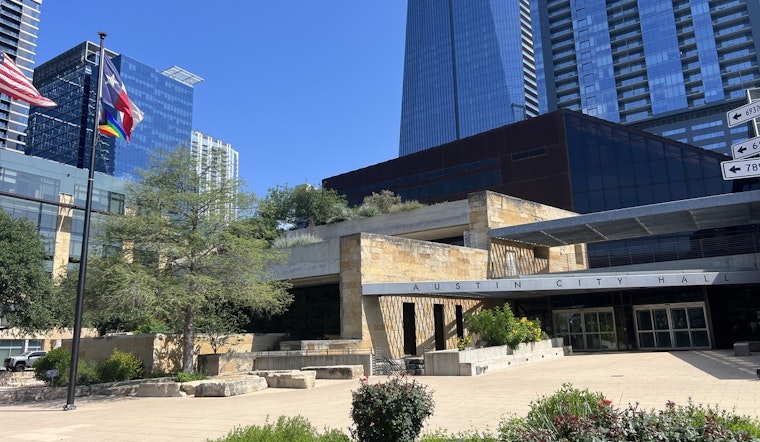
Austin’s long-talked-about "Dog’s Head" may finally be getting a makeover, and not a small one. Austin City Council is scheduled to vote on Thursday, May 21, 2026, on a proposed 45-year development agreement that would lock in rules for roughly 2,600 acres in the far-east tract. The deal would lay the groundwork for future annexation, dictate land-use rules, and authorize major infrastructure upgrades on land that has spent decades churning out sand and gravel.
What council will consider
The draft agenda calls for the council to authorize negotiation and execution of a 45-year development agreement covering approximately 2,614 acres in the city’s extraterritorial jurisdiction. The area is framed by the Colorado River, U.S. Highway 183, and State Highway 130. The agreement text outlines what kinds of development would be allowed, sets trail and open-space requirements, and spells out development standards such as impervious-cover limits and water-quality protections, along with the property owner’s conditional consent to annexation. It also anticipates forming a tax-increment reinvestment zone and a local government corporation to run that TIRZ, according to the City of Austin agenda.
Who’s behind the push
Developers and landowners have quietly been stitching together interests in the Dog’s Head for years, and Austin-based Endeavor Real Estate Group is now openly tied to the effort. As reported by the Austin Business Journal, Endeavor has been working with landowning families on plans that span roughly 2,600 acres, and the firm’s own website has previously singled out the Dog’s Head as a tract of interest.
Why it will take time and money
This is not plug-and-play suburban sprawl. Much of the Dog’s Head sits in a floodplain, is pocked by legacy mining pits and manmade ponds, and lacks continuous access to city water and wastewater service. That combination makes reclamation and infrastructure work both expensive and slow-moving. To help cover those costs, the Texas Legislature has already created a conservation and reclamation district for the area, with enabling language spelled out in House Bill 4650.
Next steps and what residents should watch
On May 21, the council is slated to hold a public hearing and take votes on the development agreement itself and on an interlocal agreement with Travis County that would let the city apply and enforce its development rules in the extraterritorial jurisdiction. If those motions pass, city staff would then be cleared to negotiate a detailed service plan, a regulating plan, and any TIRZ documents. That next phase will trigger additional public hearings, environmental review, and more granular negotiations over what actually gets built and when, according to reporting by the Austin Business Journal.





