

























































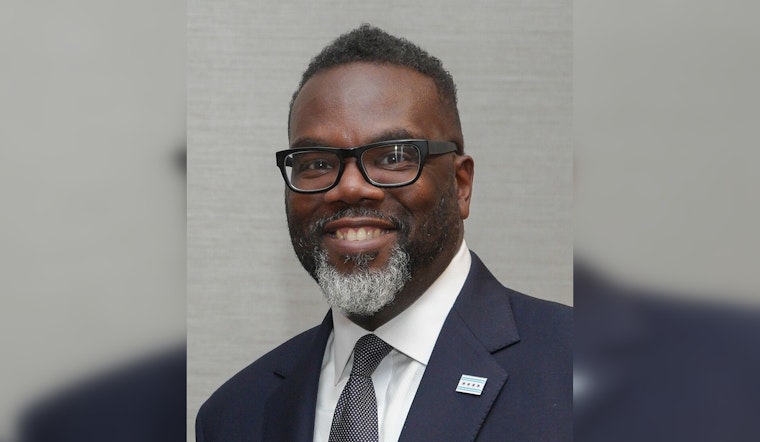
Chicago is rolling out its mental health crisis teams to every corner of the city, with Mayor Brandon Johnson announcing Wednesday that the Crisis Assistance Response and Engagement (CARE) program is going citywide and will now operate in all 77 community areas. The teams pair behavioral health clinicians with emergency medical technicians to handle nonviolent mental health and socio-emotional crises without police, marking the most sweeping expansion of the alternative 911 response model since the pilot launched in 2021.
“We solidified our commitment to prioritizing compassion over criminalization, treatment over trauma, and to meeting our people where they are with the support that they need,” Johnson said, according to CBS Chicago. The outlet reports that the expansion makes CARE available in every community area and increases the range of calls that can receive a clinician-led response.
How CARE will work
Under the Johnson administration’s plan, CARE responses will be staffed by Chicago Department of Public Health behavioral health clinicians and EMTs, who can provide on-site assessments, de-escalation, brief counseling and care coordination for people in crisis, according to the Chicago Defender. The expansion broadens eligibility to include youth as young as six and adults 65 and older, and it is limited to nonviolent, nonmedical situations.
Residents can still dial 911 to request a CARE team. The city is also allowing people to request a non-crisis, clinician-only visit within 72 hours by emailing [email protected], the Defender reports.
Pilot evidence and limits
An independent implementation evaluation by the University of Chicago Health Lab found that the CARE pilot reduced client distress and connected many people with services, while also flagging operational barriers that need to be addressed before a full-scale rollout, according to the lab’s report. The evaluation, which has tracked CARE since its 2021 launch, found that teams provided immediate support that ranged from basic medical aid to transit cards and non-emergent transport. At the same time, the report warned that dispatch practices and data gaps could limit a reliable citywide expansion, per the UChicago Health Lab.
Operational snags and funding questions
Despite encouraging early results, whistleblowers and investigative reporters have raised alarms that CARE teams are dispatched far less often than the apparent demand and that police still reach many mental health calls first. They have also reported that self-dispatch options were scaled back and that hours of operation remained limited, according to the Chicago Sun-Times.
Reporters and advocates have further noted that much of CARE’s funding has come from federal American Rescue Plan Act dollars, which are set to expire, creating uncertainty about how a full citywide rollout will be sustained financially, according to MindSite News.
What to watch
City officials say the expansion is a key part of the administration’s "Treatment Not Trauma" framework and the mayor’s broader community safety plan, and that Chicago will keep investing in mental health infrastructure while working through operational details, according to the announcement covered by the Chicago Defender.
Advocates and some alderpeople have welcomed the move, while emphasizing that its success will depend on whether the city can maintain sufficient staffing, set clear dispatch protocols and secure stable funding for follow-up services.





