

























































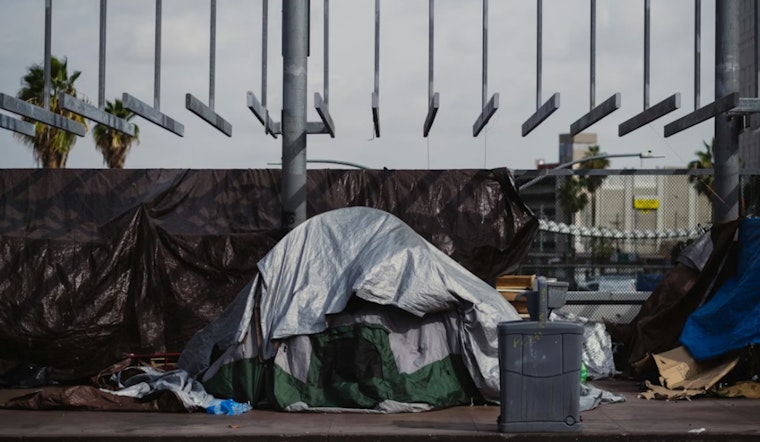
Clark County’s latest one-night Point-in-Time snapshot delivered a split verdict on homelessness. Overall numbers were down about 18 percent compared with the same night in 2025, but families with children did not share in the progress, with their numbers rising roughly 16 percent.
The count, taken Jan. 29, 2026, found about 1,260 people across emergency shelters, transitional housing and unsheltered locations, down from roughly 1,530 a year earlier, according to reporting by KPTV. The underlying Point-in-Time form listing the raw shelter and unsheltered totals is posted online by Council for the Homeless.
Where The Numbers Shifted
The Council’s summary shows some sharp swings by program type. People in emergency shelter dropped 15 percent this year, which the group ties largely to fewer winter shelter beds being available. Transitional housing beds fell 46 percent as units were converted to permanent housing.
On the streets, the picture is mixed. Unsheltered people overall decreased about 11 percent, but unsheltered people in family households jumped 21 percent, and the county logged roughly 16 percent more family households experiencing homelessness than in 2025.
“The rates of homelessness in Clark County reflect the lack of housing accessible to people with low or limited incomes,” Chief Executive Officer Sesany Fennie-Jones wrote on the Council’s website. Council for the Homeless.
Officials And Local Response
Local leaders point to affordability and a tight rental market as key drivers behind the spike in homeless families. Their response is a two-track strategy: shoring up short-term shelter capacity while also boosting long-term housing production.
The City of Vancouver’s draft 2026 Annual Action Plan outlines efforts to expand emergency shelter and safe-stay options and to speed construction of deeply affordable units, while county agencies coordinate outreach and navigation teams. City of Vancouver.
Advocates stress that Point-in-Time counts are a one-night snapshot that can miss people who are doubled up with friends or family or staying in hidden locations, so the findings come with caveats. Federal guidance describes the PIT as a single-night census used to plan services and allocate funding, and local officials say they will be tracking how many people move from shelter into housing as recent system changes take hold. HUD Exchange.




