

























































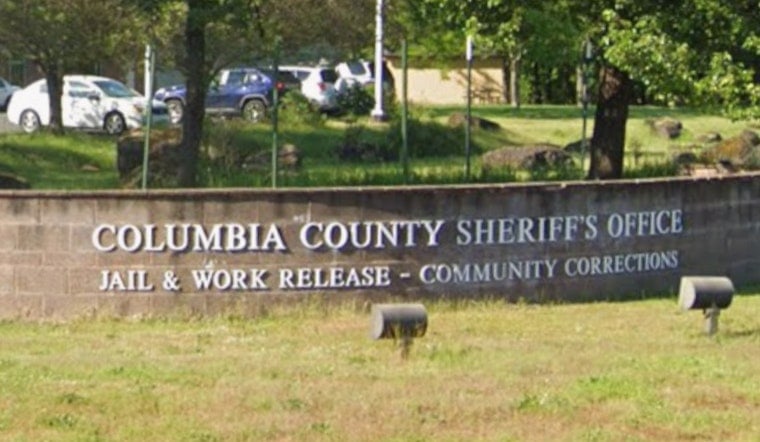
Columbia County’s jail in St. Helens has agreed to a settlement after state reviewers concluded the facility violated Oregon’s sanctuary law. The deal requires the county to change how the jail books and releases people and to tighten procedures for responding when federal agencies come calling.
The county signed the agreement on Tuesday, setting in motion an overhaul of intake and custody protocols across the facility. As reported by KGW, the settlement is designed to bring the jail back into compliance and spells out new steps corrections staff must follow when federal authorities request custody.
What’s in the settlement
The agreement zeroes in on how people are booked into the jail, how they are released, and how staff handle requests from federal immigration authorities. The terms are narrowly tailored to those procedures and, according to KGW, are intended to “ensure the jail is in compliance with Oregon’s sanctuary law.”
What the state’s law requires
Oregon’s Sanctuary Promise Act (HB 3265), passed in 2021, prohibits local agencies from using public resources to help with federal immigration enforcement and requires public bodies to report when they receive cooperation requests. The Oregon Criminal Justice Commission collects complaints under the law and publishes summaries each year; see the Oregon Criminal Justice Commission for details on that reporting.
Why this matters now
The Columbia County settlement arrives at a moment when state leaders and local advocates are paying closer attention to how county jails interact with federal immigration authorities, after a series of recent incidents drew scrutiny. The Columbia County Jail, located at 901 Port Ave in St. Helens, is the county’s main detention center and will be the immediate testing ground for the new procedures, according to the Global Detention Project.
State officials are also signaling they may not be done tweaking the rules. As reported by the Oregon Capital Chronicle, the attorney general and the governor have both indicated they are open to updating Oregon’s sanctuary laws and strengthening oversight of how local agencies respond to federal requests.
Legal implications
The settlement functions as an operational fix that Columbia County agreed to in order to head off further enforcement action. It also lays down a procedural floor for the jail, a baseline the county will be expected to meet to limit future complaints under HB 3265.
The Criminal Justice Commission’s tracking and annual reports mean this agreement will sit in the public record that the state uses to evaluate compliance with the Sanctuary Promise Act. Those reports outline how alleged violations are monitored, and this settlement will now be one of the examples on that list.
For residents and advocates, the Columbia County deal is a concrete example of how the sanctuary law is reshaping daily practice inside local jails in Oregon. The real test will come in the next few weeks, as implementation rolls out and any follow-up reporting shows whether those new procedures actually change how the county responds when federal authorities ask for custody.




