

























































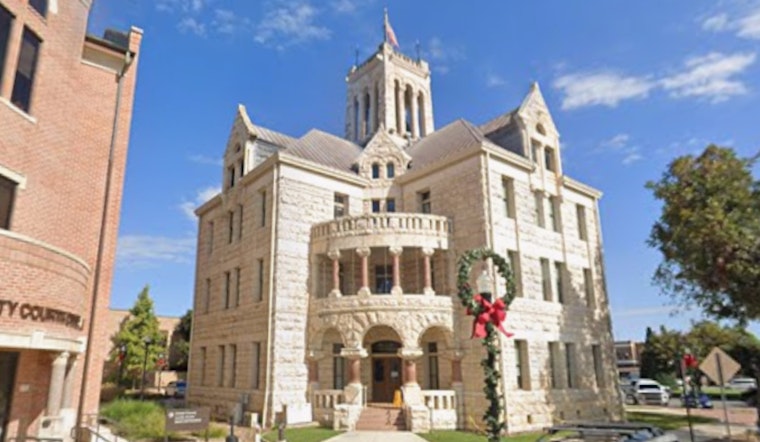
Comal County commissioners are putting Austin on notice over the fast-growing data center industry, voting Thursday to ask the state to study how those massive computer hubs could affect local water supplies and the environment, and to rethink the tax breaks that lure them in. The resolution urges state agencies to dig into environmental impacts, require full transparency in water-use reporting from data centers, and review or even repeal the state sales-tax exemption for qualifying facilities. The measure passed 4-1, with Commissioner Scott Hagg casting the lone no vote.
As reported by the New Braunfels Herald‑Zeitung, commissioners approved the resolution during a regular meeting where residents raised alarms about groundwater and infrastructure strain. Commissioner Kevin Webb told the paper he “takes issue with the state sales tax exemption for qualified data centers” and said the resolution is about getting guidance on protecting local water supplies. Commissioner Jen Crownover told the Herald‑Zeitung other counties have been asking for similar state help, while Hagg stuck with a no vote.
Why Commissioners Are Worried About Groundwater
Comal County sits partly inside the Hill Country Priority Groundwater Management Area, according to the Texas Commission on Environmental Quality. That designation is used where officials expect critical groundwater problems within 50 years, which gives county leaders a built-in framework for questioning big new water users.
In that context, commissioners say they need state-level research to understand whether proposed data centers could further stress aquifers and local services as demand piles up from multiple industrial projects. Without hard numbers from Austin, county officials argue they are being asked to make long-term decisions in the dark.
Where Comal Fits Into a Statewide Boom
Texas already hosts more than 300 operating data centers and many more are planned, a rapid expansion that has drawn scrutiny from state officials and communities. The Texas Tribune recently reported that the state’s sales-tax exemption for qualifying data centers has become one of the state’s costliest incentive programs and that lawmakers are weighing changes.
Comal County’s resolution slots neatly into that broader debate, joining a string of local actions aimed at forcing a statewide reckoning on how water, energy and tax policy should work in the age of data-hungry AI and cloud computing.
Neighbors Are Pushing Back
Comal is not the only county feeling the squeeze. Nearby communities have been wrestling with their own data center proposals and, in some cases, slamming on the brakes.
Reporting by KERA News shows town halls and moratorium votes in other Texas counties, where residents and officials cite water use, noise and power demand as top worries. County leaders say a clearer statewide approach could spare local governments from repeated, piecemeal fights and expensive after-the-fact fixes.
Legal and Policy Questions
The resolution’s call to review the sales-tax exemption and require water-use transparency for data centers immediately raises the question of who can actually change the rules.
The Texas Comptroller runs the certification program for “qualified data centers” and sets out the temporary state sales-tax exemption and the job and investment thresholds. The details of that exemption are written into state tax code. Any major shift in how the program works would require administrative action from the comptroller and likely legislative steps to rewrite the statutory criteria.
What Comes Next
The resolution will now be forwarded to state agencies and lawmakers for consideration, and county leaders say they will wait for guidance before deciding on any further local moves. The commissioners meet weekly and hold sessions at the county courthouse, according to the Comal County calendar, so the item could easily return for follow-up discussion.
For now, local officials say their priority is getting clearer data out of Austin so they can balance economic development with protecting water and public safety. The message from Comal County is straightforward enough: if Texas wants the data center boom, the state needs to own the homework that comes with it.



