

























































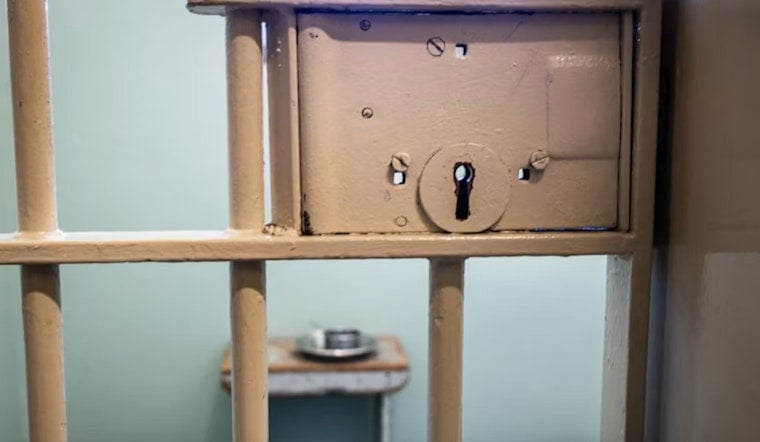
In Cook County, missing child or spousal support payments can land you behind bars. Over the past decade, judges have ordered thousands of people to the county jail after finding them in indirect civil contempt for not paying up. A Chicago Sun-Times analysis of sheriff's records shows many of those stays were brief, but some dragged on for months, and a small number stretched into years, raising fresh questions about whether civil courts are really checking what people can afford before they lock them up.
From April 2016 through the end of March 2026, more than 2,500 people were jailed for indirect civil contempt, according to a review of Cook County sheriff's records. On average, they spent eight days in custody. About 100 people were held for 50 days or longer, and roughly 25 people sat in jail for more than 100 days, according to the Chicago Sun‑Times.
Legal scholars and advocates say those numbers expose a basic flaw in the system. People jailed for civil contempt typically are not given public defenders, even though their freedom is on the line. “Most of these people are incarcerated based on civil contempt, so they did not have access to a public defender,” Elizabeth Katz told the Chicago Sun‑Times. Local reform groups also point out that at least half of litigants in Cook County domestic relations court show up without lawyers, and that the burden of going it alone falls especially hard on Black parents.
High‑profile cases
One of the most extreme examples involves Steve Fanady, who has been in the Cook County Jail since June 28, 2022. A judge ordered him held until he turned over 120,000 shares of CBOE stock, worth around 10 million dollars, to his former wife, according to public court filings. The long-running fight over that stock award has produced conflicting rulings in several courts, with the back-and-forth detailed in public filings and federal dockets, including court documents.
Another case that drew scrutiny involved attorney David Cerda, who spent about three months in jail after a judge ordered him locked up for failing to pay roughly 250,000 dollars in support. Before Christmas 2024, an appellate panel ordered him released, ruling that the trial judge had not made the required findings about whether he actually had the ability to pay, according to LegalNewsline.
Rules and reforms
The Circuit Court of Cook County's domestic relations rules say that when someone is jailed for contempt, the order must include regular status reviews and a process to connect indigent litigants with lawyers for contempt hearings, as described in court rules from the Circuit Court of Cook County. Advocates, however, say the referral system has largely sputtered and that judges do not always use available appointment lists, which leaves many parents trying to navigate complex enforcement hearings on their own, according to Chicago Appleseed.
Legal implications
Civil contempt jailings sit in a legally uncomfortable space where family law collides with constitutional protections. Critics note that a person can end up in a cell without the full safeguards that come with criminal charges. Recent appellate decisions that reversed or scaled back contempt orders, including the ruling that freed David Cerda, have emphasized that judges must decide whether someone can actually pay before sending them to jail, a requirement that could change how domestic relations courts enforce support orders, according to LegalNewsline.
Advocates are also pressing for alternatives that mix employment help, treatment programs, and close judicial oversight. They point to Georgia's Parental Accountability Court model, which seeks to cut both jail time and unpaid support through targeted services and monitoring, according to the Georgia Department of Human Services. With public attention growing, Cook County officials and judges are under increasing pressure to enforce support orders while also shoring up legal protections and access to counsel for low-income parents.




