

























































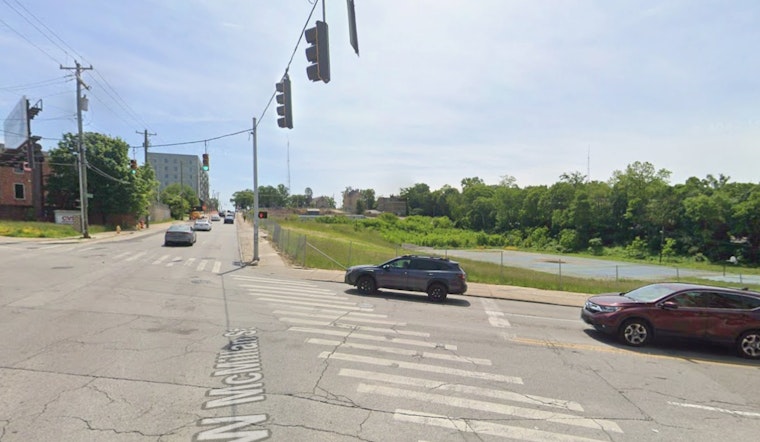
One of Uptown Cincinnati's biggest student housing plays has just hit pause. Chicago-based Core Spaces has stepped away from a roughly 2,000-bed apartment project on nearly 8 acres next to the University of Cincinnati, leaving neighbors and local power players wondering what happens next on a site they have been eyeing for years.
The property at the southeast corner of Vine Street and East McMillan Street has long been floated as a major off-campus housing opportunity. The project had been framed as one of the largest student-focused builds proposed near UC in recent years, and local stakeholders who have watched the saga unfold now face more uncertainty instead of cranes in the sky.
According to a report from Cincinnati Business Courier, Core Spaces pulled out of predevelopment work on May 28, 2026. The outlet reported that the planned development sits on nearly eight acres of the former Hollister Recreation Center tennis courts and that Core Spaces had been serving as the national student-housing partner. The move was described as a withdrawal from the predevelopment partnership, not a change in who owns the land.
Site History And Who Owns The Land
The Hollister parcel has been on neighborhood radar for years, largely because its aging tennis courts slipped into disrepair and drew repeated safety and nuisance complaints. In 2021, WCPO reported that a joint venture tied to Uptown Rental Properties won a request for proposals to acquire part of Hollister Court. The idea was to channel sale proceeds into park improvements while turning blighted land into housing.
Local planners, community members and neighborhood advocates have tracked those negotiations closely. The group Uptown Consortium has documented how Uptown Rental Properties has become a major force in near-campus development, which made the Hollister site feel like a logical next frontier.
The Plan That Was Unveiled
When the development team rolled out its vision in April 2025, the proposal called for two buildings totaling 551 apartments and roughly 1,996 beds. The units were pitched primarily to University of Cincinnati students, with some space also aimed at young professionals.
Coverage from Cincinnati Business Courier detailed plans for a shared podium garage, upgraded streetscapes and a unit mix designed to soak up growing demand just off campus. The sheer scale of the project put it among the largest single-site student housing proposals Cincinnati had seen in recent years.
What The Pullout Could Mean
With Core Spaces walking away, the landowner, Uptown Rental Properties or its joint-venture entities, now has a big decision to make: find a new national partner or rework the financing and structure to keep the original concept alive.
Projects of this size typically lean heavily on predevelopment partners to secure construction financing and approvals. Without that piece in place, the timeline for permits and a groundbreaking could slip. Any reboot will likely run through the same public boards and neighborhood groups that helped shape the original Hollister deal and its conditions.
Why Uptown Watchers Are Paying Attention
Core Spaces' exit wipes out, at least for now, the prospect of nearly 2,000 new beds steps from campus. That kind of supply bump would have ripple effects on Short Vine businesses, surrounding neighborhood rents and the broader University of Cincinnati housing market.
Public agencies and regional players have already been involved in nearby redevelopment, including work documented by The Port and other local development groups. That level of coordination underscores how complicated it can be to move big projects on this corner from concept to construction.
Residents and business owners who have pushed for safer streets, better lighting and a more active streetscape are now waiting to see whether a new development team can step in and deliver both the promised housing and the neighborhood upgrades. For the moment, one of Uptown's most talked-about empty lots stays exactly that: empty.





