

























































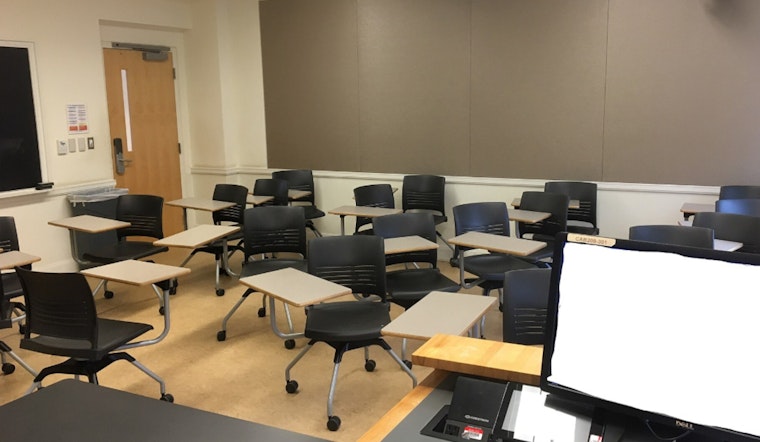
Hundreds of custodians have disappeared from Chicago Public Schools, and people inside the buildings say the grime is starting to show.
Last summer, CPS cut roughly 480 custodial positions while shifting away from private cleaning contractors. Since then, staff across the city have reported dirtier classrooms, bathrooms and hallways, along with schedules that make it harder to clean before the first bell. Principals and custodians who responded to a district survey obtained through public records described later shift start times that squeeze morning cleaning, missing morning partners, and new pest complaints in some schools. District officials say the shakeup was meant to centralize oversight and save money, but many families and staff say the reality on the ground has been a lot messier.
In an internal survey obtained by Chalkbeat, 168 principals and 423 custodians weighed in on the transition. About three-quarters of principals said they did not have enough custodial staff to meet their building needs, and nearly two-thirds of custodians said the workload was difficult to manage given the size of their buildings and the number of people on their teams. The responses, released through a Freedom of Information Act request, were collected after CPS ended several private custodial contracts. Many principals reported in the survey that when coverage was thin, they found themselves grabbing trash bags or wiping up spills to keep things passable for students.
Workers also described day-to-day changes that, in their view, add up. Johnny Jones told Block Club Chicago his start time was moved from 5 a.m. to 7 a.m., and that he no longer has a second custodian alongside him in the morning, a combination he said has cut into how much can be cleaned before students arrive. Other respondents reported fresh pest issues, including rodents and cockroaches, and union leaders said some custodians were not paid on time early in the transition, which helped fuel absences and staff departures.
District says oversight will improve cleaning and save money
CPS officials have framed the move as both a belt-tightening strategy and a way to bring standards and supplies under tighter district control. Local reporting has put the expected savings at roughly $40 million a year as the district ends several private custodial contracts. The district’s FY2026 budget book says CPS plans to in-house more than 700 custodial positions and roll out new custodial management tools and centralized supply systems as part of the transition, changes the district argues will increase accountability. The cuts and CPS’s explanation for them were first detailed by the Sun-Times.
Union and staff push back
SEIU Local 73, which represents many CPS custodial workers, has pushed the district to maintain pay and benefits for employees moving into district jobs and to give longtime custodians first crack at the new in-house positions. When the cuts were announced, the union blasted the plan as “draconian” and warned that thinning the workforce so close to the school year would inevitably show up in dirtier, less safe buildings. In a joint statement, SEIU Local 73 said understaffing threatened both sanitation and safety, and union leaders organized rallies last summer to press CPS over rehiring terms and staffing levels.
Clean schools, healthier students
Researchers have long warned that what is floating in the air and lingering on surfaces can matter as much as what is on a lesson plan. Indoor air quality and basic sanitation are tied to illness-related absences and student comfort, so short-handed cleaning crews risk more than just scuffed floors. The U.S. Environmental Protection Agency notes that poor indoor air quality can affect attendance and academic performance, and peer-reviewed work has found links between ventilation, particulate levels and illness-related absenteeism. EPA guidance and research published in Environmental Health both highlight those connections.
What’s next
The district’s FY2026 budget book says CPS will open more than 700 in-house custodial positions during the fiscal year and expand the supply and work-management systems that officials say will help close coverage gaps. CPS’s budget book also lays out new custodial work-management tools and a move to consolidate how supplies are ordered and distributed. In a statement to Block Club Chicago, a CPS spokesperson said the district “continues to utilize feedback from students, staff and families as a guide to ensure school buildings are safe and welcoming environments,” and officials said they are watching staffing closely as the new model rolls out.
For now, principals and families say they will be keeping an eye on whether those promised hires and new oversight actually turn into cleaner floors, fewer pests, and better air for students and staff. Union leaders say they plan to keep pressing CPS until custodial staffing is restored to a level they believe can keep school buildings reliably clean.




