

























































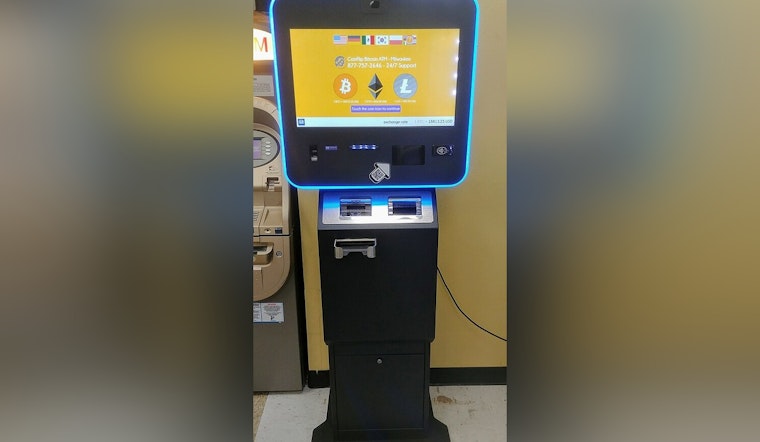
In the Triangle, AARP Fraud Watch volunteers and local police have been fanning out to gas stations and convenience stores after a wave of phone scams pushed residents to stuff cash into cryptocurrency kiosks and lose thousands of dollars in minutes. One victim, Dolores Miller, told volunteers she parted with nearly $10,000 after a caller pretending to be law enforcement ordered her to use a Bitcoin ATM to pay off a bogus warrant. The outreach push is focused on getting bold warning signs onto machines and giving store clerks simple scripts so they can stop rattled customers before a single bill disappears into the slot.
According to the FBI’s 2025 Internet Crime Report, there were 13,460 complaints tied to cryptocurrency ATMs and kiosks last year that together produced roughly $389 million in reported losses, about a 58 percent jump from 2024 and a striking reminder of how quickly these schemes are growing. The same IC3 data show that people 60 and older filed 6,188 of those ATM and kiosk complaints and reported about $257.5 million in losses. The bureau also warns that scammers usually start with high-pressure phone calls in which they impersonate officials, then push victims to withdraw cash and send it through a kiosk, and once the money converts to crypto, getting it back is rarely possible. FBI.
On the ground in the Triangle
AARP Fraud Watch volunteers teamed up with local officers to visit stores that host crypto kiosks and to nudge owners to post clear warnings and train clerks on the scam stories they are likely to hear, as ABC11 reported. “We like to find business owners like you who want to be part of the solution,” Steve Hahn with AARP told the station, and cashiers described customers walking in unsure how the machines even work. Fuquay Varina investigator Bryan Williscroft told the station that after money is converted into cryptocurrency it becomes extremely difficult to trace or recover, which is why volunteers say quick local action is so crucial.
Why states are moving faster
Lawmakers in other states have already started imposing limits, operator licensing or outright bans in order to blunt kiosk based fraud, a trend that has drawn national attention. Reporting describes rules that range from required receipts and daily caps to full licensing systems and, in at least one state, orders to pull kiosks from stores entirely. Consumer advocates and AARP have backed many of these steps as basic protections that cut into the speed and anonymity scammers count on. Governing; see also recent state action in Tennessee. Bitcoin.com.
What you should do
If anyone calls and demands money, then tells you to use a crypto kiosk, hang up immediately, that is a scam flag. North Carolina’s Office of the Commissioner of Banks notes that real government or law enforcement agencies do not demand payment in cryptocurrency and urges victims to contact local police, and AARP maintains detailed Fraud Watch resources for victims and for businesses that host kiosks. You can also report suspicious incidents to the FBI’s IC3 so federal investigators and local partners can track patterns and, in some cases, move fast enough to freeze funds before they vanish. N.C. Office of the Commissioner of Banks; AARP; FBI.
Backers in the Triangle point out that North Carolina still does not have a statewide kiosk law and hope the local education blitz will build momentum for change, with AARP and police pressing legislators to look at measures that have reduced losses in other states. Until that happens, volunteers are asking store owners to post obvious warnings at the machines and to call police if a customer seems panicked or under pressure, simple steps that can shut down a scam before the cash goes in. ABC11.





