

























































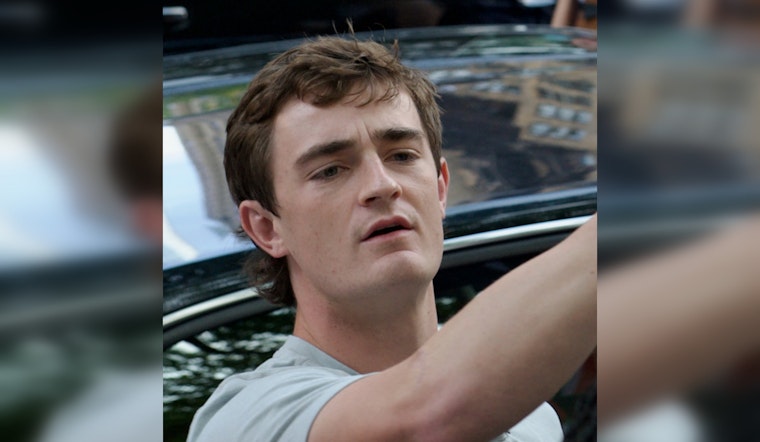
Independent journalist and viral video creator Nick Shirley says his latest trip to Cuba nearly turned into a hostage situation, claiming intelligence agents tailed him and that officials seized most of his camera gear as soon as he landed.
Shirley’s Account
In a short clip posted to social media on Monday, Shirley wrote, “I was almost taken hostage in Cuba,” and described a tense arrival at the airport where, he says, officials confiscated most of his cameras and allowed him to keep only an iPhone. He used that phone to record part of the encounter, according to KABB (Fox San Antonio).
Shirley says that soon after, Cuban intelligence agents began shadowing him and his security team, lingering outside their hotel until his staff noticed the surveillance and started pushing for an early exit from the island. The post and short video have since popped up on other outlets, including Townhall and the Hindustan Times. The Hindustan Times reports he was already working on a plan to leave early.
Shirley says he ultimately managed to get off the island and has promised that more extensive footage from the trip is coming.
Washington's Context
His account lands in the middle of a heated debate in Washington over how tough the United States should be on Havana. The Senate recently voted down a Democratic-led war powers measure that would have required Congress to sign off before any military action in Cuba, a procedural 51-47 vote that unfolded in a tense floor debate. The policy back-and-forth and roll calls have been tracked by CEPR.
At the same time, President Trump has been signaling a harder line of his own. At a Turning Point USA event, he described his approach as “a new dawn for Cuba,” as reported by The Daily Beast.
Press Freedom and Verification
Independent journalists working in Cuba face serious constraints. Reporters Without Borders ranks the island near the bottom of its 2026 World Press Freedom Index and notes that many independent reporters operate effectively underground. RSF lists Cuba as one of the worst places in the Americas for press freedom.
Local coverage has also stressed the limits of what is known about Shirley’s trip. Cuban outlets that picked up his clip pointed out that his story has not been independently verified. CubitaNOW relayed his claims while underscoring that there was no confirmation from local authorities or on-the-ground reporting.
What’s Next
Shirley says he was working on an early escape route from Cuba - potentially through the U.S. embassy or by jumping on an earlier flight - and that longer, more detailed footage from the trip is on the way, according to the Hindustan Times.
Whether outside investigators, international monitors or other independent reporters are able to corroborate his version of events will determine whether the clip becomes part of a broader narrative about a crackdown on journalists or remains an unverified first-person story.
Back in the United States, the blowback to Shirley’s confrontational style has already reached the legislative arena. In Sacramento, a contentious bill aimed at doxxing-related offenses targeting government workers drew so much ire from opponents that critics started calling it the Stop Nick Shirley Act.


