

























































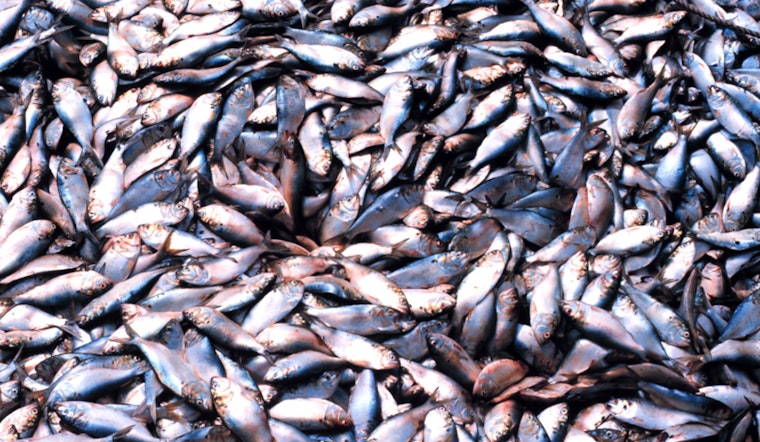
Small fish just kicked off a big fight in the nation’s capital.
The Forage Fish Campaign officially launched in Washington, D.C., on Friday as a national coalition urging limits on industrial-scale harvest of small baitfish that supporters say prop up America’s coastal fisheries and working waterfronts. Led by executive director Whit Fosburgh, the group is zeroing in on reduction fishing and mid-water trawling that target menhaden, herring and mackerel. Backers include recreational and small-scale commercial fishermen, conservation leaders and coastal small-business owners who warn that current practices threaten local jobs and tourism.
What the Coalition Wants
According to a press release via Newswire, the Forage Fish Campaign is calling for an end to large-scale industrial commercial fishing, including reduction fishing and mid‑water trawling, on forage species that campaigners say form the base of marine food webs. “Forage fish are the backbone of healthy marine ecosystems and the fisheries that support countless American communities,” Fosburgh said in the release.
Who’s in the Coalition
The campaign brings together a wide mix of recreational and small‑scale commercial fishermen, outdoor recreation advocates, conservation organizations and coastal small-business owners, according to Voice of Alexandria. Jason Schratwieser, president of the International Game Fish Association, is quoted as saying, “Our coastal economy depends on healthy oceans,” underscoring the coalition’s argument that this is about paychecks as much as plankton.
Where the Policy Fight Stands
The launch lands in the middle of an ongoing policy overhaul, as regional managers and scientists wrestle with how to factor forage species into broader fisheries rules. The Atlantic States Marine Fisheries Commission has been developing Draft Addendum II and has already reduced the coastwide Atlantic menhaden quota for 2026, moves that will help shape any federal or interstate response. Atlantic States Marine Fisheries Commission documents show the board has formed work groups and is planning additional public review later this year.
Science and the Forage Fish Question
Supporters of tighter limits point to a growing body of research suggesting forage stocks are vulnerable and that heavy removals can ripple through entire food webs. A recent assessment from Oceana Canada found many forage populations in Canadian waters are not healthy.
Federal briefs and NOAA analyses describe “reduction” fisheries as operations that convert whole fish into fishmeal and fish oil for aquaculture, livestock feed and nutritional supplements, a practice critics say removes biomass that would otherwise feed seabirds, marine mammals and sportfish. NOAA notes that reduction processing is distinct from bait fisheries that supply local fishermen.
Industry Pushback
Processors and industry groups flatly reject claims that current fisheries are driving ecosystem collapse, pointing instead to recent stock assessments and certifications that they say demonstrate sustainability. Ocean Harvesters and the Menhaden Fisheries Coalition argued that the 20 percent total allowable catch cut was unnecessary and warned that deeper restrictions would hurt working waterfronts and union crews, according to a statement posted on the Menhaden Fisheries Coalition website.
What Comes Next
The Forage Fish Campaign says it plans to press federal officials, coastal lawmakers and regional managers, while building grassroots backing from boatyards, charter operators and waterfront businesses, according to the group’s release. Newswire notes that the coalition is gearing up outreach as the Atlantic States Marine Fisheries Commission prepares public comment opportunities on Draft Addendum II this summer.
The dispute sets up a broader tug-of-war between short-term coastal harvests and long-term ecosystem services that support commercial and recreational fishing, tourism and local businesses. With new research underway and regional meetings already on the calendar, managers and coastal communities will likely be watching the campaign’s next moves very closely in the months ahead.





