

























































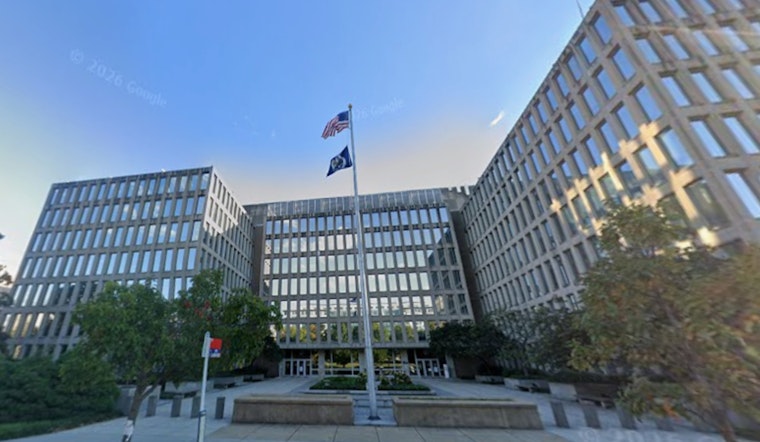
The Office of Personnel Management is floating a sweeping new nondisclosure agreement that could put a tight lid on what federal workers talk about outside the office. A draft model form, posted to the Federal Register's public-inspection files, would ask, and in many situations require, employees across the government to sign away the ability to share a broad range of nonpublic work information. The proposal stretches beyond classified secrets to cover internal operations, procurement details, personnel matters and pre-decisional deliberations. Agencies would be free to decide whether to adopt the template, but the draft also sketches out penalties and limits that could apply to both current staff and former employees.
As reported by The Boston Globe, OPM has posted a draft notice for public inspection that it says will be formally published on Wednesday, kicking off a 30-day public comment period. The Washington Post reports that the draft defines privileged information broadly, pulling in many nonpublic or pre-decisional documents. The notice points to several high-profile leaks, including unauthorized disclosures to The New York Times and The Washington Post about a U.S. raid in Venezuela that OPM said put service members at risk.
Penalties, Scope and Former Employees
Wire reporting says the draft would give agencies room to seek civil and criminal penalties for violations, require written permission before former staff talk publicly about certain subjects, and even allow the government to collect royalties from prohibited disclosures. Reuters notes that OPM is framing the move as an effort to clamp down on unauthorized disclosures that, in the agency's view, disrupt operations and erode trust across government.
Legal Limits and Whistleblower Protections
Even with a tougher NDA on the table, federal law still blocks agencies from using nondisclosure agreements to silence whistleblowers. The Whistleblower Protection Act shields disclosures about waste, fraud, abuse and other wrongdoing made to Congress, inspectors general and the Office of Special Counsel, as laid out in the U.S. Code. The statute requires that any nondisclosure form include language stating that it does not supersede employees' statutory whistleblower rights, a point reiterated in federal guidance and in material from the Office of Personnel Management's inspector general.
Where This Has Been Tried
According to The Washington Post, the administration has already leaned on NDAs and other secrecy tools at agencies such as the Pentagon and the Department of Veterans Affairs. Critics say those steps sometimes obscured internal planning and chilled oversight. That earlier backlash is likely to shape how unions, watchdog groups and ethics advocates respond to the new governmentwide notice. How agencies used those tools before, and how courts or oversight bodies react, will be central flashpoints in the debate over the draft.
What Comes Next
With the notice headed to the Federal Register and a 30-day comment window set to open, agencies and the public will have a relatively short formal period to weigh in before any individual department decides whether to adopt the model form, as reported by The Boston Globe. What gets filed in that comment docket, and how agencies choose to respond, will determine whether this template becomes routine onboarding paperwork for federal workers or turns into the next big flashpoint in litigation and oversight battles.



