

























































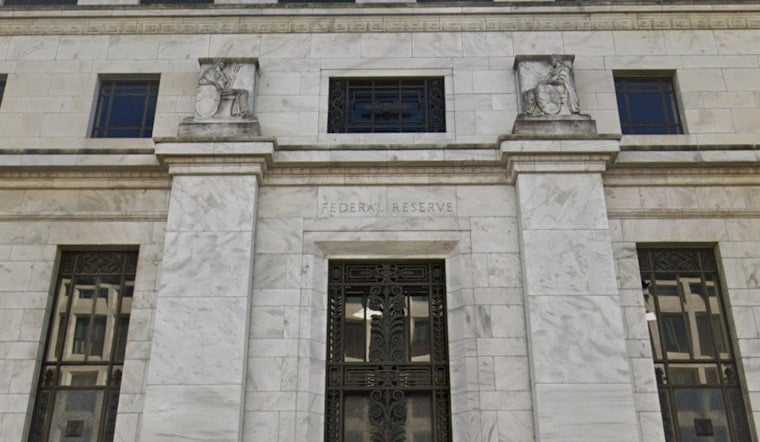
Federal regulators gave Wall Street a cautious nod on Friday, signing off on the so-called "living wills" from the nation’s biggest banks and dozens of foreign banking organizations and concluding that the plans outline credible ways to wind down complex firms without tapping taxpayer support. The decision caps years of testing and targeted feedback from supervisors after earlier versions of the plans were flagged for weaknesses.
In a joint press release, the Federal Reserve and the Federal Deposit Insurance Corporation said they had issued feedback letters on the resolution plans submitted in July 2025 and "did not identify any shortcomings or deficiencies" in the filings from the eight largest domestic banking organizations and 56 foreign banking organizations. The agencies listed Bank of America, Bank of New York Mellon, Citigroup, Goldman Sachs, JPMorgan Chase, Morgan Stanley, State Street and Wells Fargo among the U.S. firms receiving feedback and said that derivatives-related weaknesses flagged in prior reviews have now been satisfactorily addressed.
What Regulators Reviewed
As reported by Reuters, the review covered the 2025 resolution-plan submissions from the eight largest and most complex U.S. banking organizations along with 56 foreign banking organizations that have significant U.S. operations. Regulators posted redacted feedback letters and templates that spell out where firms still need to keep building out contingency planning and cross-border coordination capabilities.
Why It Matters
Living wills are the detailed roadmaps required under the Dodd-Frank Act that show how a firm could be resolved without a government bailout, and regulators have used them as leverage to push complex banks to simplify their operations since the 2008 crisis. In June 2024, the agencies identified shortcomings in the 2023 plans of Bank of America, Citigroup, Goldman Sachs and JPMorgan Chase; a June 21, 2024 joint press release from the Federal Reserve and the FDIC outlined the remedial steps those firms had to take, and regulators said on May 22 that those derivatives-related gaps have been satisfactorily addressed.
Legal And Regulatory Angle
Under the agencies' resolution-planning rule, identified shortcomings and deficiencies can trigger follow-up requirements, deadlines for remediation and tougher supervisory scrutiny, including capabilities testing and more exacting feedback cycles, according to the agencies' prior releases. The Federal Reserve and FDIC continue to publish public portions of their feedback for transparency, while confidential letters give supervisors the operational detail they need to judge whether a firm’s plans could actually work in a real-world stress scenario.
The latest sign-off marks a milestone but not a free pass: banks are expected to implement and test the changes described in the letters, and supervisors have said they will keep reviewing firms' readiness in future planning cycles. For now, regulators say the 2025 submissions have substantially reduced a long-standing source of uncertainty over how the largest and most complex firms could be wound down in a crisis.





