

























































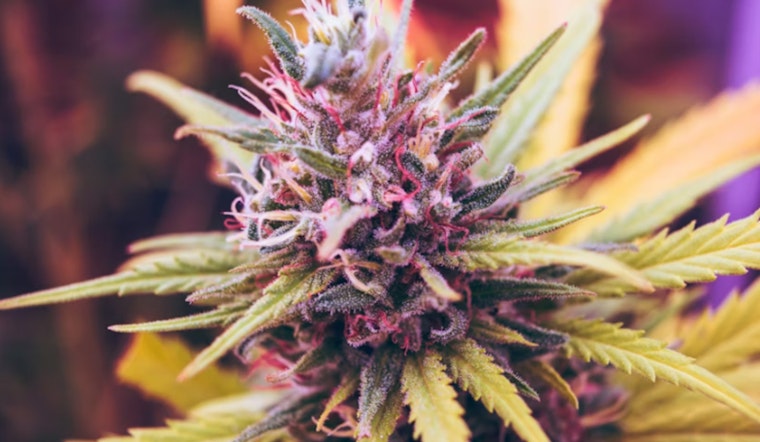
D.C.'s after-hours scene is starting to look a lot less like a bar crawl and a lot more like a mellow, THC-fueled hang. Across neighborhoods from Ivy City to Tenleytown, dispensaries are being rebuilt as places where you book a class, meet up with friends or quietly split a gummy instead of another round of cocktails. Hospitality veterans are turning what used to be basic retail counters into lounges, wellness studios and membership clubs centered on cannabis.
Higher Ground Reimagines A Distillery
According to Higher Ground, its new Ivy City storefront is designed as a patient-first destination that blends retail, education and hospitality under one roof. The operators pitch the spot as a neighborhood hub, with curated products and community programming, rather than a traditional counter-only dispensary where you are in and out in five minutes.
Big-Space Hospitality, No Alcohol
Axios reports that Higher Ground moved into the shell of the former One Eight Distillery and turned it into a roughly 20,000-square-foot indoor/outdoor complex that can hold about 130 guests. The outlet notes that the venue features a cultivation center visible behind the bar, a retail counter stocked with pre-rolls and gummies, and an array of high-end glass on display. "My ethos has always been cannabis hospitality — I never wanted to open a shop to sell as many eighths as possible," co-owner Robbie Martin told Axios.
Wellness Meets Weed In Tenleytown
In Tenleytown, Aligned DC pairs its medical dispensary with group and one-on-one wellness offerings. The business says it hosts yoga, meditation and sound-bath sessions inside the shop, presenting them as optional add-ons to normal retail service. The idea, according to Aligned DC, is to give people space to explore cannabis with more intention and education, not just another errand to run.
How D.C.'s Rules Work
To make any of this legal, the city created a menu of special endorsements for licensed medical retailers. Safe-Use Treatment Facility endorsements, Summer Garden endorsements and Education Tasting events all allow on-site consumption, but only under narrowly defined conditions. As laid out by the Alcoholic Beverage and Cannabis Administration, applicants must submit architectural maps, ventilation and odor-control plans, security-camera layouts and occupancy limits before they can get safe-use status.
Business Bets And Permits
Entrepreneurs are already designing entire concepts around those endorsements. Restaurateur Greg Casten has purchased an Eckington warehouse and is planning membership-based golf bays paired with indoor and outdoor consumption areas, a project that Axios says is still stuck in the permitting process. Axios also reports that the permit program rolled out in 2024 and that regulators have issued nearly a dozen on-site consumption permissions so far.
Neighborhood Guardrails
Regulatory documents and settlement agreements spell out the neighborhood guardrails in fine print. License holders must keep smoke and odor from being detectable on neighboring properties, ban patrons from leaving with open containers, and maintain monitoring and reporting systems. The same ABCA rule package that created the endorsements also lets D.C. residents 21 and older self-certify as qualifying patients and links safe-use endorsements to strict ventilation, occupancy and security requirements.
For now, the shift looks less like Amsterdam-style cafés and more like a cautious local hospitality experiment, with operators mixing product education, low-key programming and tight regulatory checklists. Whether these projects become beloved neighborhood hangouts or lightning rods for complaints will largely depend on how thoughtfully businesses design their spaces and how consistently agencies enforce the rules.




