

























































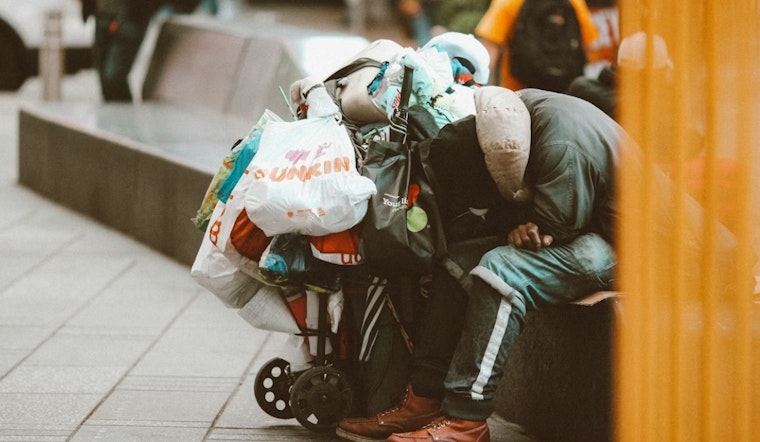
A new statewide homelessness report out this week points to a modest but meaningful shift in metro Denver. The number of people who experienced homelessness in the region ticked down in 2025, even as agencies connected more Coloradans with prevention and housing services. The county breakdown is mixed, with some communities improving while others, especially the Pikes Peak region, logged sharp increases. For Denver residents, the takeaway is cautious: visible progress on street homelessness is real, but keeping it going will take many more permanent homes and stronger prevention work.
What the report found
The 2025 Colorado State of Homelessness Report puts metro Denver’s total at 35,601 people in 2025, compared with 36,065 in 2024, a 1.3% decline. Statewide, 53,776 people experienced homelessness last year while agencies provided services to 84,425 residents. The report also notes that 27,448 Coloradans attained or maintained housing stability in 2025, which the authors cite as evidence that the system is reaching people earlier and helping many stay housed, according to Colorado’s State of Homelessness Report 2025.
Pikes Peak and El Paso County saw the biggest increases
The story looks very different south along the Front Range. The statewide report shows El Paso County had 7,078 people who experienced homelessness at some point in 2025, a 4.3% rise from the prior year, making the Pikes Peak Continuum of Care the only regional CoC to post a year-over-year increase, as reported by The Denver Gazette. The county’s Point in Time snapshot also counted 1,745 people on the night of the survey, a 52% jump from the year before, per the Pikes Peak PIT summary. Local nonprofits and outreach leaders told reporters that the surge likely reflects a mix of real inflow, dwindling tenant-based vouchers and prevention resources, and better counting of people who have historically been missed.
Different counts tell different stories
The report intentionally blends year-round COHMIS service data with the single-night Point in Time snapshot so readers can see both the reach of the system and how many people are unhoused on any given night. That combined approach helps explain why an annual total of people served can look very different from a one-night PIT figure, and why the authors re-pulled some 2024 data to keep the comparisons consistent. The broader view is meant to show not only who was unhoused on one winter night, but also how the statewide response system is performing over time, according to Colorado’s State of Homelessness Report 2025.
Officials emphasize prevention and housing
Metro Denver Homeless Initiative Executive Director Jason Johnson framed the small metro dip as evidence that coordinated rehousing, shelter expansion, and prevention work are starting to move the needle. MDHI also noted it received $30,000 from the Colorado Division of Housing to help produce the statewide report. Division of Housing Director Tyler Jaeckel said the results are “showing exactly what we hoped,” and the report urges expanding permanent housing and early intervention programs to sustain progress, according to a Metro Denver Homeless Initiative press release covered by The Denver Gazette. Providers welcomed the numbers but warned that the main obstacle remains the shortage of affordable and supportive housing, a point they stressed in coverage by The Denver Gazette.
What it means for Denver
For Denver residents, the bottom line is complicated. The city has driven down visible encampments and unsheltered counts through coordinated initiatives, yet the broader metro area and nearby counties still face rising demand that will have to be met with more housing units, vouchers, and prevention dollars. A third-party review cited by local TV found dramatic reductions in large encampments tied to Denver’s All In Mile High work, underscoring that enforcement-style operations and expanded housing supply have to move in tandem to keep people housed, according to Denver7.





