

























































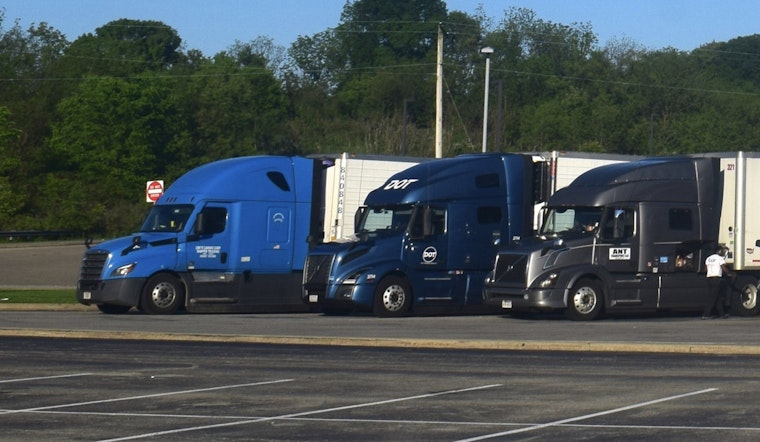
Diesel has turned into the budget villain of the month for Wisconsin truckers, with record prices hammering small haulers and owner-operators who keep the state’s freight moving. Faced with fuel bills that suddenly eat a far bigger chunk of every load, some carriers say they are rerouting trips, delaying runs and leaning harder on short-term credit just to keep wheels turning.
According to AAA, the statewide average diesel price jumped to a record high of about $5.87 a gallon on May 13 and stayed above $5.60 into late May. A year earlier, diesel was hovering around $3.25 a gallon. That kind of move has turned fuel into one of the biggest single cost pressures for regional freight operators this spring.
Industry leaders say the spike hits small firms the hardest. Dan Johnson, president of the Wisconsin Motor Carriers Association, told Urban Milwaukee that diesel typically accounts for roughly 20 to 30 percent of a carrier's costs. Larger fleets can lean on negotiated purchasing programs and other tools, while single-truck owner-operators are often stuck paying retail at the pump.
Global Supply Shock, Local Impact
Analysts trace the spike to tightening supplies and disruptions in Middle East shipping that crimped refined-product availability and sent prices higher this spring. The U.S. Energy Information Administration’s short-term outlook and market reports detail how shut-ins and chokepoint risks have put pressure on diesel markets, with ripple effects reaching local carriers. EIA analysis highlights how those global shocks filter directly into higher prices at Midwestern truck stops.
How Fleets Are Coping
Big carriers are not exactly enjoying the surge, but they have more tools to fight it. Many rely on fuel-purchasing contracts, financial hedges and fuel-surcharge formulas built into customer agreements to soften the blow when prices spike.
Smaller outfits often do not have that kind of cushion. When diesel jumps, they feel it at the next fill-up. Industry officials warn that if prices stay elevated, some owner-operators could be forced to trim routes, park rigs or shut down entirely, shrinking regional freight capacity just as shippers still expect fast, reliable deliveries.
What It Means for Shoppers and Businesses
Some shipping and delivery networks are already passing higher fuel costs along to customers. The U.S. Postal Service, for example, filed an 8 percent transportation-related price change in late March, a step the agency said was meant to keep prices aligned with rising transportation costs. USPS noted that the adjustment tracks with industry practice as other carriers tack on fuel surcharges tied to weekly fuel indexes.
Outlook
Wholesale markets cooled slightly after Memorial Day as diplomatic signals eased some supply fears, but analysts caution that the situation stays fragile until Middle East shipping routes stabilize and inventories rebuild. In the meantime, Wisconsin carriers and their customers will be glued to weekly fuel indexes, hedging windows and any policy moves that touch crude and refined-product supply, knowing that another jump at the pump could be just one headline away.





