

























































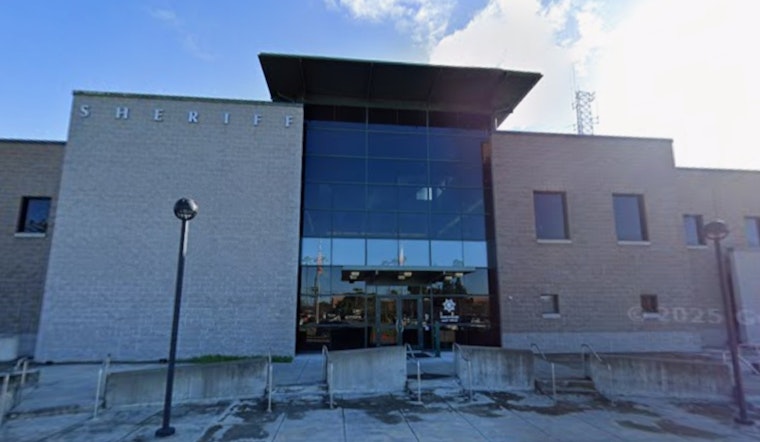
More than 40 years after a brutal killing along the Russian River, Sonoma County detectives say they have finally cracked a Guerneville cold case. On May 21, 1983, 31-year-old Robert Pangborn was found partially clothed and fatally stabbed, the victim of a sexual assault. Investigators collected what evidence they could and stored it, hoping that someday science might catch up. This week, they say it did.
In 2024, DNA preserved from the 1983 crime scene was tested again and produced a match to Oscar Chotos Bolanos of El Salvador, sheriff's officials said, according to NBC Bay Area. Authorities said Bolanos’ DNA was on file because he was arrested in 1992 and convicted in Los Angeles County of sodomizing and sexually assaulting a teen. According to sheriff's officials, Bolanos was deported in 1994 and died of cancer last month at age 67.
How Modern Forensics Helped
Detectives credited specialized lab work and cooperation among agencies for finally getting a hit, sending the decades-old samples to advanced facilities for additional testing. Kinship DNA and coordinated forensic analysis have been key in solving other cold cases across California, according to the California Department of Justice. That broader statewide effort, officials said, provided the technical roadmap for reexamining the Pangborn evidence.
Suspect’s History and Case Status
Sheriff's officials said authorities in El Salvador tracked Bolanos to a location near the same village listed on his early-1980s visa application. No new criminal charges were announced in the Pangborn case, and with the suspected person deceased, investigators noted there is effectively no route to prosecution, based on the sheriff’s account of his death. Sonoma sheriff's officials told NBC Bay Area the agency is currently working on about 70 cold-case investigations, some reaching back to 1967.
What This Means Locally
Detectives said the resolution of the case highlights the payoff of carefully preserving physical evidence and investing in regional lab partnerships that can extract new answers from old samples. Investigators added that they hope the identification provides some measure of clarity for Pangborn’s relatives, even without a courtroom trial, while the sheriff's cold-case unit continues to press forward on dozens of other unsolved cases.





