

























































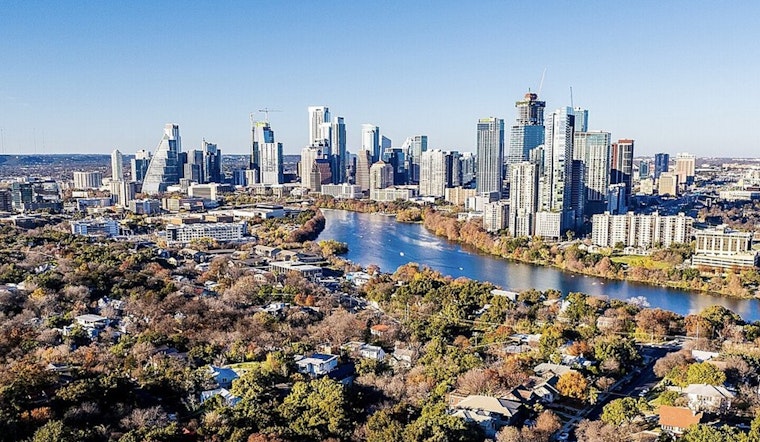
Austin city planners have rolled out a major rewrite of the rules for downtown development, clearing a far more straightforward path for towers that soar well beyond the current skyline. The Phase 1 update to the Downtown Density Bonus program trades a tangle of calculations for fixed height bonuses and tougher urban design gatekeepers. If the plan moves ahead as proposed, height rather than floor-area ratio would become the main dial that controls how dense and tall new downtown projects can get.
What staff proposed and where it sits
As detailed by the Austin Business Journal, city planning staff assembled a Phase 1 package that redraws the downtown density bonus map and creates two new combining districts. The program is set up as voluntary: property owners can opt in for extra development rights if they provide things like on-site affordable housing, upgraded streetscapes and compliance with mandatory urban design standards.
How tall could new towers be?
The proposal introduces two new districts, labeled DDB400 and DDB850, named for the additional feet they can add on top of a parcel’s base height. In broad terms, that is roughly an extra 400 feet or 850 feet. Under that structure, many Central Business District parcels that currently top out at 350 feet by right could reach around 750 feet under DDB400 and, if rezoned, up to about 1,200 feet under DDB850, according to City of Austin council materials. The draft also tightens design rules, limits parking and narrows affordability options for projects that take the bonus.
Why the city is moving to height-based controls
The shift is driven largely by state law that has constrained how cities may use floor-area-ratio limits to shape multifamily and mixed-use projects, pushing Austin to rely on maximum height instead. National outlets and local coverage have tracked that pivot and the push to lock in clear height tiers so the city can continue to require community benefits when it grants extra entitlements. The Real Deal and local planning documents describe the overhaul as an attempt to square state law with Austin’s downtown development goals.
Reaction: affordability and scale
Housing advocates and several council members argue the program still needs firmer guarantees that taller towers will translate into meaningful affordable housing and stronger tenant protections. Local reporting captures that divide: some advocates warn the approach could repeat earlier tradeoffs, including the short-lived DB90 era, while some council members contend that using 15-foot height increments gives more predictable scale for nearby neighborhoods, according to reporting by KUT. Critics are also raising familiar worries about shadow impacts, how active ground floors will really be and whether supertall sites can peacefully coexist next to low-rise blocks.
On the other side of the table, developers have welcomed clearer, standardized entitlements but warn that the path to the largest DDB850 bonus, which requires a separate rezoning and City Council vote, could inject uncertainty and slow underwriting for projects already in motion. Industry voices and lenders have flagged that concern in coverage of the proposal, a theme echoed in comments highlighted by The Real Deal.
Next steps and timeline
Under Phase 1, the designated downtown footprint would be automatically rezoned into DDB400, while individual properties could pursue DDB850 through the standard rezoning process, according to staff materials in the council packet. Staff present this as the opening move in a larger downtown update, with additional subdistricts and fine-tuning expected in later phases. The packet spells out gatekeeper standards, a menu of community benefits and monitoring steps designed to calibrate affordability fees and design requirements over time. The amendment was included in the May council packet for formal consideration and a public hearing.
What it could mean for Austin’s skyline
If adopted largely as written, the overhaul would create a clear regulatory runway for towers taller than anything Austinites have seen so far, and it could allow buildings that surpass recent mixed-use projects now reshaping downtown. Developer materials for the Waterline project put the 74-story tower near Lady Bird Lake at roughly 1,022 feet, and industry trackers place it in that same general band, making Waterline the current benchmark for height in the city. Under DDB850, qualifying sites could be built up to about 1,200 feet if they secure rezoning and approval. That possibility is already reopening long-running debates about parking, shade, transit capacity and which communities ultimately benefit from downtown’s vertical growth.





