

























































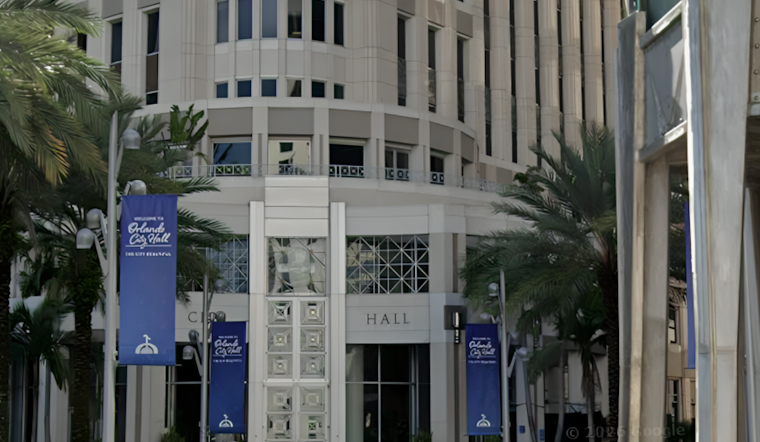
Downtown Orlando drivers are not exactly rolling out the welcome mat for a big traffic makeover. A city plan to flip several long-standing one-way corridors into two-way streets has some commuters warning that an already congested grid could get even more tangled. Planners, on the other hand, argue the redesign will shift the focus from cars to people on foot and bike, and those trade-offs are quickly becoming the talk of the neighborhood as the plan moves from diagrams to detours.
The "Downtown Orlando 2.0" implementation plan would reconfigure portions of Orange Avenue, Rosalind Avenue and Magnolia Avenue, adding on-street parking, bike facilities and wider sidewalks while integrating transit into mixed traffic, according to the City of Orlando. On the city’s downtown project page, Magnolia Avenue improvements are listed as "in progress," with specific blocks temporarily closing as crews advance block by block.
Some drivers told reporters they worry that the conversions will clog traffic instead of calming it. "No. I think with the traffic the way that it already is, I think less lanes would kind of be counterintuitive," one commuter told WKMG/ClickOrlando, summing up the anxiety a lot of rush-hour regulars are feeling.
Why city leaders back the change
City officials and downtown advocates counter that two-way streets tend to slow vehicles, make crossings safer and boost visibility for storefronts, changes they say are crucial if Orlando wants a truly walkable core, the Orlando Sentinel reported. Supporters frame the redesigns as part of a broader downtown reset, one that pairs traffic changes with new parks and festival-style streetscapes to encourage people to hang out rather than just drive through.
In that vision, cutting top speeds and adding bike lanes and curbside parking are not just traffic tweaks, they are tools to create the kind of street life that attracts residents, office workers and visitors to stick around, spend money and come back.
What is happening on the ground
On Magnolia Avenue, the first phase of construction kicked off earlier this year. The city lists temporary full-block closures between Jefferson Street and Central Boulevard as crews shift curbs and remove dedicated LYMMO bus lanes, according to the City of Orlando. The DTO Action Plan shows that later phases will move on to Orange and Rosalind avenues, with major roadway reconstructions penciled in for the next several years.
For now, that means a rotating cast of barricades, detours and construction noise, the usual growing pains that come with reshaping the street in real time.
Public meetings and next steps
The Downtown Community Redevelopment Agency Advisory Board was scheduled to meet this week to hash out timing and next steps, and several drivers told reporters they want city leaders to seek more neighborhood input before pushing ahead, WKMG/ClickOrlando noted. City officials say the work will roll out in phases so construction can line up with storefront operations and basic city services.
Public documents and reporting indicate that the larger Orange and Rosalind reconstructions are slotted for later phases and could stretch into 2027, leaving drivers and downtown businesses to decide whether the short-term headaches are worth the long-term promise of a reshaped city center, the Orlando Sentinel reported.





