

























































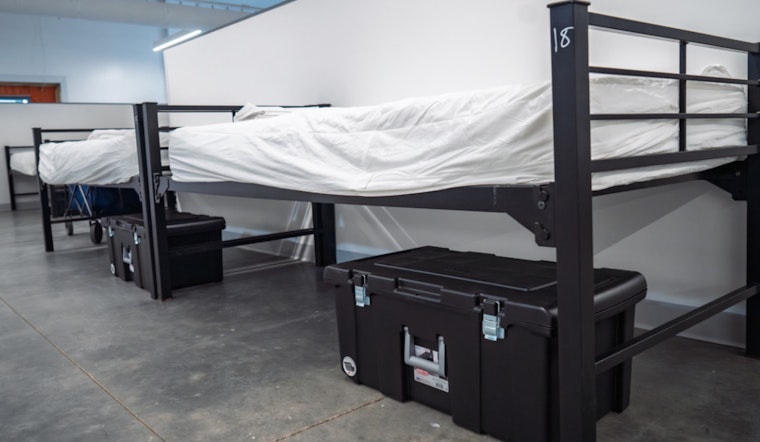
On a single cold night in January, more than half of Phoenix residents experiencing homelessness were counted indoors instead of sleeping outside. City leaders are calling it a sign that new shelters and staffed outdoor spaces are starting to pay off, even as the overall number of people without stable housing in the region barely budged.
According to Maricopa Regional Continuum of Care, 9,726 people were counted as experiencing homelessness across Maricopa County on the night of Jan. 26, 2026. Of that total, 53% were in emergency shelter, transitional housing or safe haven programs. The report shows a 14% jump in the number of people in shelter and about a 12% drop in the unsheltered count compared with 2025, which leaves the region’s overall total almost unchanged.
Inside Phoenix city limits, the shelter headcount rose from about 3,514 people in 2025 to roughly 4,041 in 2026. The number of people living outside fell by 448 to about 3,093, putting Phoenix’s total at around 7,335. In a city news release, Rachel Milne, director of the Office of Homeless Solutions, said that when more people come indoors, it means individuals and families have a safer place to sleep and better access to services and stability, according to the City of Phoenix.
There is a catch in how the numbers are classified. Phoenix’s Safe Outdoor Space, or SOS, is treated as unsheltered in both federal and regional counts, even though the city notes that the fenced, staffed lot offers three meals a day, showers, laundry, medical care and housing navigation. That HUD and regional definition, which applied to about 201 people at SOS on the night of the count, is part of what shapes the indoor-outdoor split, according to reporting by ABC15.
What Helped Drive The Shift
City officials say the numbers did not move by accident. Phoenix and its partner agencies have added hundreds of beds over the last two years, converted hotels into shelter and opened new navigation and resource centers that connect people to case managers and services. The Office of Homeless Solutions points to projects such as the Phoenix Navigation Center, De Paul Manor, Respiro and several hotel conversions, along with the Safe Outdoor Space, as examples of how capacity has expanded for people seeking shelter and support, according to the City of Phoenix Office of Homeless Solutions.
Voices On The Street
People who live and work around downtown say they can feel the churn. Artist and neighborhood resident Joel Coplin told FOX 10 Phoenix that the area has a constant sense of movement, describing it as “like watching a goldfish bowl” where people are always coming and going.
For those relying on outreach, the added beds and more frequent contact can be the difference between getting stuck outside and having a path forward. Cobralena McInnis said she is thankful for the assistance she has received while working to secure housing, telling ABC15 that the help has been meaningful as she tries to move off the streets.
Limits Of The Snapshot
Advocates stress that the Point in Time count captures only one night and can miss people who are cycling in and out of homelessness over months or years. Regional data and local coverage point to worrying increases in chronic homelessness in recent years, which highlights that simply adding shelter beds will not, by itself, resolve long term homelessness for people with complex needs. The Continuum of Care report also lays out how the count is conducted and why year round outreach, housing and services remain crucial.
What Comes Next
City leaders are looking to a new Strategic Plan to Address Homelessness, approved by the Phoenix City Council in February 2026, to keep momentum going. The plan sets goals to further reduce homelessness by 2029 and leans heavily on prevention, rapid rehousing and supportive housing strategies, as reported by the City and local outlets. County and nonprofit partners, including efforts backed by Maricopa County to add transitional units for older adults, are aiming to turn shelter stays into longer term housing options. Officials and advocates say that whether those efforts succeed will depend on continued funding and the supply of affordable rentals, according to Maricopa County announcements.
For now, the 2026 count shows more people in Phoenix are indoors and connected to services than a year ago, a result city officials view as a sign that the system is getting more people to help. People working alongside unhoused neighbors, however, say the real test will be whether the city can sustain investments in permanent, affordable and supportive housing so that one night of better shelter numbers eventually translates into a lasting drop in homelessness.





