

























































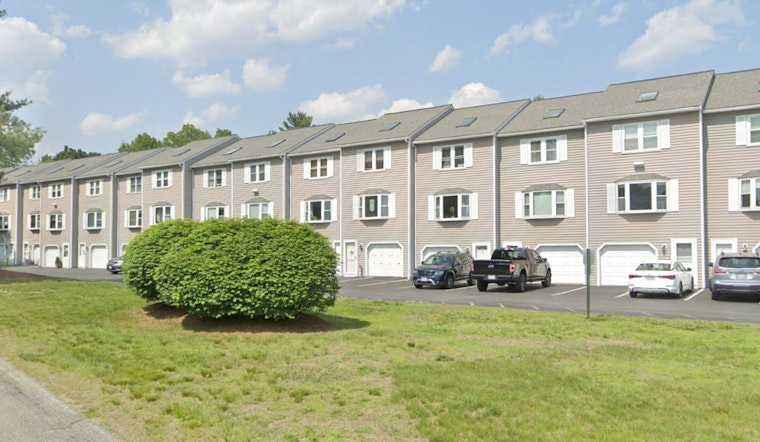
In Dracut, a three-story condominium building weighing roughly 360 tons and stretching about 170 feet long is hovering several feet above the ground, held up by steel and hydraulic jacks while its ruined foundation gets ripped out from underneath it. Twelve units in the affected wing of the Winding Brook complex were evacuated, sending families to temporary housing while contractors tackle concrete that has literally crumbled from the inside out. Lab tests found pyrrhotite in the foundation aggregate, and engineers say the only permanent fix is to strip out the contaminated concrete and pour an entirely new foundation.
How crews hoisted the building
Contractors slid heavy steel beams under the structure and used hydraulic jacks to gradually lift the building, creating enough clearance to demolish the failed footings and set a new foundation below. Foundation Solutions of New England’s Sue Stebbins told NBC Boston, "There is no fix," stressing that full replacement, not patching or cosmetic repair, is the only long-term option.
Why pyrrhotite breaks foundations
Pyrrhotite is an iron-sulfide mineral that oxidizes and expands when it comes into contact with air and moisture. That slow chemical reaction builds internal pressure that eventually fractures concrete from within. The Commonwealth’s Crumbling Concrete Stakeholder Working Group final report notes that visible cracking often takes 15 to 20 years to show up and that full foundation replacement is typically the only durable solution, not surface-level repairs. Mass.gov also documents multiple aggregate sources that have been tied to damage in different regions of Massachusetts.
Costs, displacement and the market hit
The condo association estimates that repairing the 12 affected units will cost more than $1 million. Homeowners are draining reserve funds and paying special assessments on top of rent for temporary housing while the work is underway. Scott DeRosa, the association president, told NBC Boston that some units that had been listed around $350,000 started selling closer to $225,000 once the foundation problem became public.
What state officials recommend
A statewide working group has recommended creating a Crumbling Concrete Assistance Fund, paid for through a mix of insurance surcharges and fees on concrete production, and has called for tougher quarry licensing and mandatory aggregate testing to keep pyrrhotite out of the supply chain. The group’s final recommendations, delivered to the Legislature in March 2026, also urge better consumer disclosure rules, municipal relief measures and stronger tracking of where concrete materials come from. Mass.gov lays out the full set of technical and policy proposals.
Connecticut’s program offers a roadmap
Advocates in Massachusetts point to Connecticut’s centralized response as a working template. The Connecticut Foundation Solutions Indemnity Company, or CFSIC, manages applications, certifies inspectors and helps finance many foundation replacements for affected homeowners. Lawmakers and owners in Massachusetts say that if pyrrhotite-related damage keeps spreading, the state will likely need a similar centralized remediation program. CFSIC explains how its program operates and what types of assistance it provides.
What homeowners can do now
Homeowners who notice spidering cracks, bowing walls or doors and windows that stop closing properly are being urged to consider a core test or a certified visual inspection and to document everything they find. Municipalities and the working group recommend streamlining permits, waiving local fees where possible and expanding access to testing and disclosure tools to protect both buyers and sellers as more properties come under scrutiny.
The Dracut lift is dramatic, but it is also a preview of what many fear could become a familiar scene across parts of Massachusetts. Repairs are expensive and highly disruptive, and individual families cannot easily shoulder six-figure fixes on their own. From quarry rules to a dedicated funding mechanism, state action is increasingly seen as the only way to prevent household-level devastation and a broader collapse in local property values. As the Winding Brook building is eventually lowered onto a new foundation, residents and officials will be looking toward Beacon Hill for a concrete plan to share the burden.





