

























































Families in East Garfield Park are about to get a rare option for breathing room between crisis and stability, as Breakthrough Urban Ministries opens a new 14-unit transitional housing building that pairs apartments with on-site support.
The complex, called the Residences, offers two- and three-bedroom units for households of two to six people, with shared gathering spaces built for family life. Move-ins are expected this summer as the final construction work wraps up.
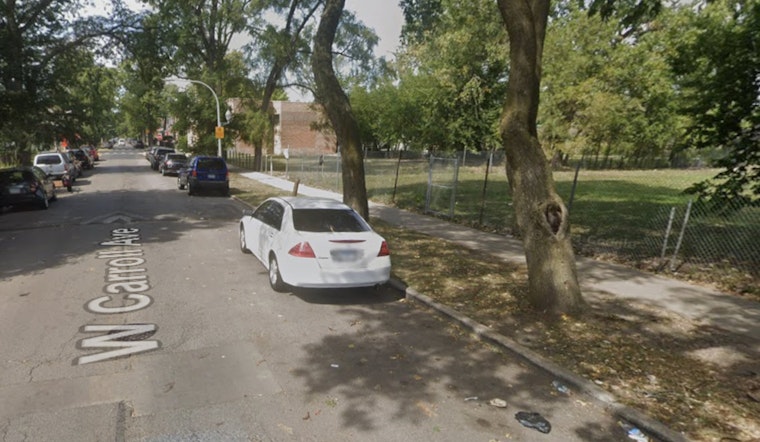
Anchored at 3340 W. Carroll Avenue, the building sits just west of Breakthrough’s Fresh Market and FamilyPlex and was designed to tie housing directly to programs that support employment and homeownership, according to Breakthrough. The first application window for tenants has already closed while staff prepare units and gear up for arrivals. Breakthrough leaders emphasize that the Residences are meant to plug into the group’s wider neighborhood services, not operate as a stand-alone shelter.
What residents will pay and find on site
Tenants will sign one-year leases and, when they have wages, pay no more than 30 percent of their household income in rent. The building is also set up to accept zero rent from households with no income. On-site, families will find a community garden, playground, lounge, laundry facilities, and spaces that can be used for childcare and exercise.
Those features line up with the project’s permit filings and design reporting, which describe a masonry, U-shaped, three-story building with 14 parking spaces and amenities tailored to families. The design and lease structure are detailed in coverage from Urbanize Chicago.
Eligibility, programming and funding
The Residences are aimed at families with at least one adult age 25 or older and at least one child in that adult’s legal custody. Breakthrough says the program will serve households of two to six people and provide up to 24 months of programming to help build long-term stability, as reported by Block Club Chicago.
Staff are planning an initial six-month phase focused on basic stability and goal setting, followed by roughly a year of financial counseling and preparation for homeownership. The project is funded largely by an $11 million gift from the James P. and Brenda S. Grusecki Family Foundation, which includes $2 million reserved for a sustainability fund, along with $1 million in HUD funding routed through the office of Rep. Tammy Duckworth.
At the opening, executive director Yolanda Fields framed the building as a chance for families to catch their breath in the middle of upheaval, saying “the goal is that you get to have a reprieve” from housing instability. She added that Breakthrough had long hoped to create housing that “surrounds families with care, coaching and community.”
Breakthrough's footprint and why it matters
Breakthrough already runs multiple support sites across its Garfield Park campus and reports that it serves thousands of people each year. According to Breakthrough's 2025 annual report, the organization provided housing or shelter to more than 1,500 people and distributed hundreds of thousands of pounds of food to neighborhood families.
The same report notes that Breakthrough connected hundreds of residents to economic opportunities and services that the Residences are designed to build on. Leaders at the organization say that existing web of programs is what allows the new building to function as a supported pathway from crisis to stability rather than just a set of keys.
Where this fits in the neighborhood push for housing
The Residences join a slowly growing group of affordable and community-focused developments in East Garfield Park, as both the city and private developers look to add more housing and services in the area. Recent coverage highlights additional multi-site and mixed-use proposals that have secured funding and approvals nearby, part of a broader effort to convert vacant lots into housing and amenities that serve local residents, according to Chicago YIMBY.
Breakthrough leaders say the Residences fit squarely into that push, with the goal of keeping families connected to their community and to the organization’s job and education supports as they move toward more permanent housing.





