

























































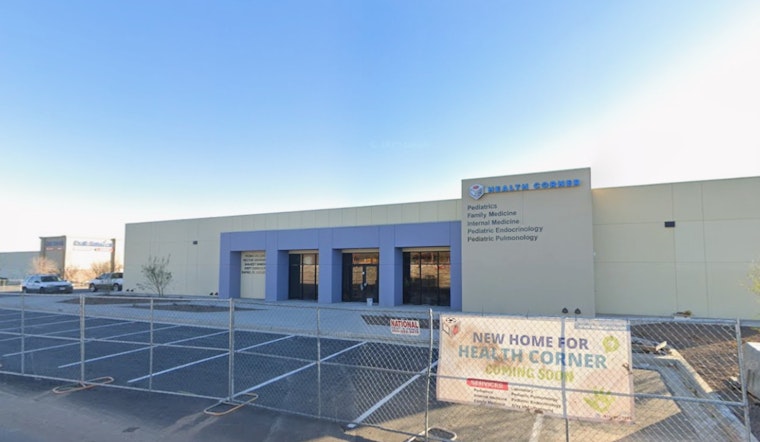
One of El Paso’s few pediatric hormone specialists is walking away from private insurance, and families of kids with diabetes are now doing some fast math.
Pediatric endocrinologist Dr. Héctor Granados says his clinic will stop taking private insurance and switch to a membership-style direct care model, replacing traditional billing with monthly plans and out-of-network visits. He argues the shift will cut paperwork and speed up care for children with diabetes and other hormone conditions, even as some families worry they will have to choose between higher costs and losing local access. Parents and clinicians say the decision highlights how insurance rules are quietly reshaping access to rare specialty care in the Borderland.
According to KFOX14/CBS4, Granados, who has served El Paso since 2014 after training at New York City Health and Hospitals, NYU, and Connecticut Children’s Medical Center, said his practice handles more than 1,200 visits per month and treats roughly 8,000 patients a year. He told the station the change is meant to reduce time spent on denials, prior authorizations, and insurance paperwork. Granados also said his office employs four full-time staff members just to deal with insurance billing, and that the clinic will continue providing hospital care regardless of a patient’s insurance status.
How the Membership Works
Per Dr. Granados' website, the practice lists a $350 consultation fee for new or non-member patients and two monthly membership tiers. A $50 basic plan covers thyroid, puberty, growth, and weight-management issues, while a $150 comprehensive plan covers type 1 and type 2 diabetes. The site also notes that bone-age X-rays cost $30 for non-members, while members receive two free X-rays each year. The clinic says memberships provide more predictable costs, prescription management, and expanded access to staff by phone or patient portal.
Families Worry About Cost and Access
Some parents told KFOX14/CBS4 they fear the new fees are simply out of reach. Brianna Reese, whose 10-year-old has type 1 diabetes, told the station she could not afford care if it meant paying out of pocket instead of using insurance. Other parents said they may be forced to drive hours to see the nearest pediatric endocrinologist who still accepts their insurance, adding travel costs and time to the already intense routine of managing a child’s chronic condition.
Administrative Strain Behind the Move
Physicians around the country point to prior authorizations, claim denials and complex billing as major pressures pushing some practices away from traditional insurance contracts. The Washington State Medical Association has described direct primary care as a membership-based model that some doctors choose to sidestep growing administrative burdens and reclaim more time for patient care. Federal and academic reviews have likewise documented how prior authorization and billing complexity consume substantial staff time and can delay treatment, particularly for patients with chronic illnesses.
What It Means for El Paso
State listings show that pediatric endocrinology options in the region are extremely limited. The Texas Department of State Health Services directory names Granados under El Paso pediatric endocrinology, underscoring how few local specialists are available. While local diabetes programs and education resources exist for families, specialty capacity remains thin, a reality that could push some patients to travel to Albuquerque or even farther for in-network specialist care if they do not opt into membership plans.
Granados has framed the switch as an attempt to free clinicians from mountains of paperwork and deliver more responsive care, while acknowledging that the change will require both families and the clinic to find arrangements that work. In the coming weeks, parents and area providers alike will be watching to see whether the membership model truly eases administrative strain without putting pediatric endocrine care further out of reach for Borderland families.



