

























































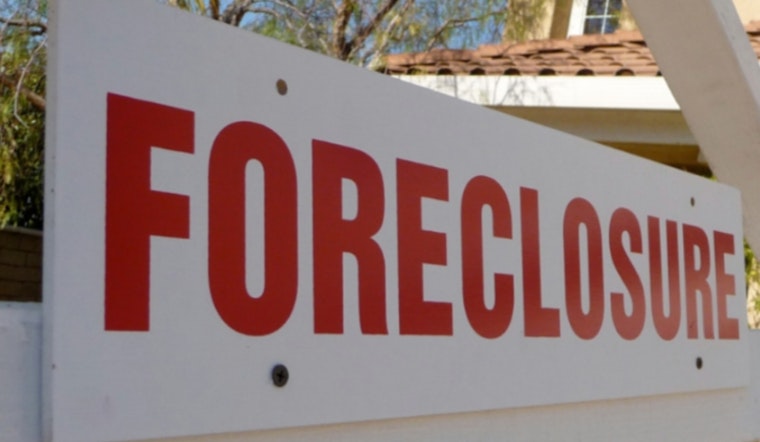
A year after city crews finally hauled away a long-running junkyard on Normal Boulevard, the City of Chicago is now trying to take the next step: foreclosing on eight vacant lots tied to the same owner. Court filings ask a judge to force the sale of the parcels and recover roughly $1 million in fines and enforcement costs, leaving neighbors who fought for years for a cleanup waiting to see how the saga ends. City officials say the property is still a blight and that the hefty tab has gone unpaid.
City law department files a complaint
As reported by Block Club Chicago, the Chicago Law Department filed a complaint on May 19 asking a Cook County judge to foreclose on eight parcels owned by Paul A. Cawley and Achadboy Properties, Inc. The case follows a December judgment that found the owner liable for about $1.15 million in fines and penalties, which the complaint breaks down into violations tied to dumping, fencing, hazardous debris, and zoning issues, and it also names a mortgage holder on one of the parcels. The suit further asks the court to shorten the post-sale redemption period in order to speed any transfer of title, according to the filing.
Neighbors pushed for enforcement for years
Local residents and aldermanic staff had been demanding action for years, pointing to rusted cars, boats, and piles of debris that they said drew vermin and raised real safety concerns. FOX 32 Chicago reported in April 2025 that neighbors and community leaders pressed city agencies to move on the site, while a mechanic who lived on the property described storing and repairing donated vehicles there. Those complaints helped trigger inspections, ticketing, and the legal push that is now in front of the court.
City crews cleared the Normal Boulevard lots last spring
City crews removed corroded cars, boats, and other debris from the Normal Boulevard site in early May 2025 after officials said the owner failed to comply with a removal order. Block Club Chicago's earlier coverage documented the cleanup and the municipal orders that came before it, and noted that one adjacent lot is city-owned while neighboring parcels remained in private hands. The current foreclosure action reaches beyond that one address and targets parcels across the South and West sides that the city says have been allowed to deteriorate.
What would change in a foreclosure
If the court signs off on the city's foreclosure request and a sale goes through, Illinois foreclosure law will dictate the timing for confirmation of the sale, redemption, and possession, and it allows successful bidders to take possession shortly after a sale is confirmed. Those steps can clear up title problems and let a new steward finally take control. The city's motion to shorten the redemption period would, if a judge agrees, speed up that entire process, and the relevant rules appear in the state Code of Civil Procedure. A quicker resolution could make it easier to move these troubled lots into greening projects, side-lot programs, or redevelopment plans.
Where this fits into larger enforcement efforts
The foreclosure effort is part of a broader campaign by city officials to hold absentee owners responsible for vacant, nuisance properties and to get lots back into productive use through sales and targeted city programs. Reporting and public records in recent months have highlighted several high-profile enforcement actions and attempts to recoup costs from owners of blighted parcels. Advocates in Englewood say they hope a clear court order will finally open the door for neighbors or community groups to acquire or manage the sites.
Next steps
The case is expected to move through the Cook County court in the coming weeks. If the judge grants the city's requests, the parcels could be sold and the proceeds applied to the existing judgment. Neighbors say they plan to keep an eye on the court docket for any sign that the title is changing hands or that the lots are being steered into local reuse programs.





