

























































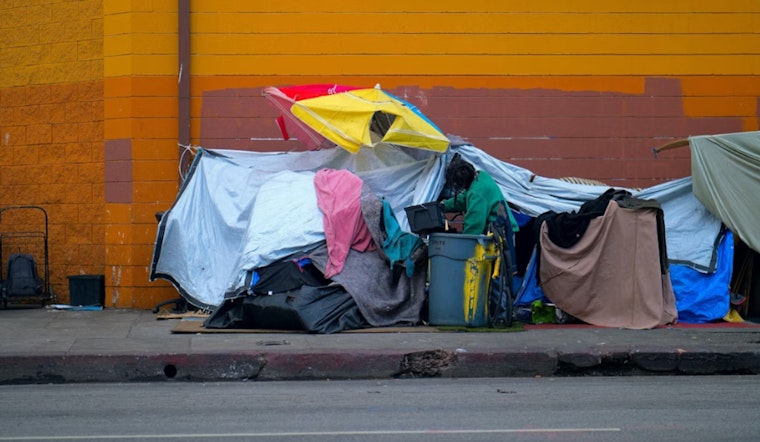
Washington’s latest homelessness snapshot is in, and it comes with a twist: overall numbers inched up, driven largely by families, even as the city logged fewer people living outside.
Mayor Muriel Bowser and city officials released the 2026 Point-in-Time results on Tuesday, May 12, 2026, reporting a modest year-over-year rise in homelessness in Washington, D.C. The increase was driven largely by families, while single adults and transition-age youth were roughly steady or slightly down.
What the PIT found
According to a release from the Mayor’s Office, the PIT, conducted on Feb. 4, 2026, showed a 4.4% overall increase from 2025, with families up 15.8%, unaccompanied individuals up 0.3% and transition-age youth down 0.7%. The release also reported an estimated 9.3% decline in unsheltered individuals and a 30% year-over-year drop in family shelter entries. City leaders tied those shifts to prevention and diversion programs and to investments proposed in the mayor’s FY27 budget, according to the Mayor’s Office.
"This year’s PIT results reflect an intentional shift in policy designed to ensure that when families exit homelessness, they exit for good," DHS Director A.D. Rachel Pierre said in the administration's statement. Pierre and other officials said the district is focusing on matching families with tailored, longer-term housing resources rather than faster placements that can increase the risk of re-entry, according to the same Mayor’s Office release.
How the count was done
This year’s PIT also looked different on the ground. Outdoor canvassing was scaled back after a severe winter storm, and the city relied more heavily on shelter rosters, meal-program logs, drop-in center records and a predictive model to estimate unsheltered numbers. Street Sense Media reported that The Community Partnership for the Prevention of Homelessness limited volunteer street surveying for safety and turned to partner data to produce a citywide estimate. That shift means this year’s unsheltered tally is partly model-based rather than the result of a full volunteer night canvass.
Context and limits
The PIT is a single-night snapshot with known limitations, a point HUD guidance stresses for jurisdictions that run the count. It is designed to inform planning rather than measure everyone who experiences homelessness over a year. HUD notes communities can use different approved approaches to estimate unsheltered populations, which can affect year-to-year comparisons.
Even with those caveats, reporting shows D.C. has made long-term progress. WJLA and city data note that overall homelessness in the District remains well below levels a decade ago, down roughly 26.5% since 2015.
What advocates and providers say
Local service providers have welcomed the administration’s emphasis on prevention and diversion but warned that gains are fragile without steady funding. The Wanda Alston Foundation and youth providers have urged the Council to restore proposed cuts to youth homeless services and pointed to long waiting lists for LGBTQ+ supportive housing as evidence of continued unmet need, according to the foundation’s recent statement. Providers say they will be watching whether the mayor’s budget and the coming regional analyses translate into sustained capacity for prevention, outreach and permanent housing.




