

























































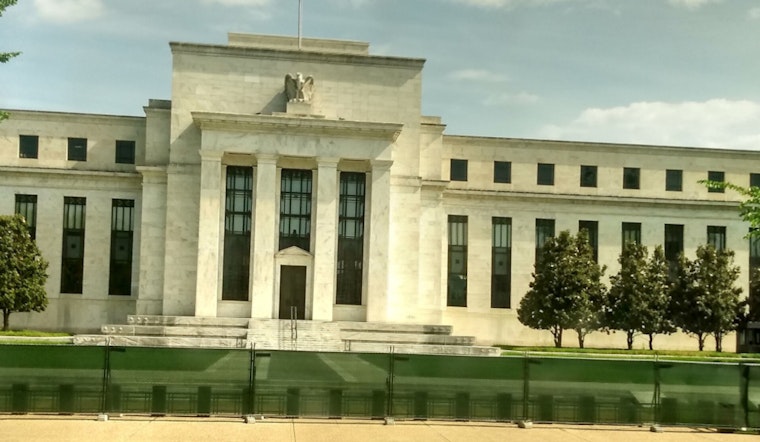
The Federal Reserve is turning up the volume on a warning that markets do not love to hear: geopolitical turmoil and a potential energy "oil shock" tied to the Iran conflict now sit at the top of its worry board for U.S. financial stability. Fed staff say a mix of rising energy prices, stretched valuations and growing leverage in parts of the market could combine to trigger real stress if the shock sticks around. Market contacts surveyed by the Fed have pushed geopolitical risk to the very top of their concern list, ahead of usual suspects like inflation and asset valuations.
What the Fed found
According to the latest Financial Stability Report from the Federal Reserve, about 75 percent of market contacts surveyed in March and April named geopolitical risks as a top concern, and roughly 70 percent called out an oil-price shock as a key near-term threat. The New York Fed’s survey of broker-dealers, banks and fund managers also put artificial intelligence and private credit on the list of most-cited emerging risks. Fed staff noted that sudden price moves in energy markets and related financial products "could lead to market strains" if the shock proves persistent, which is central bank code for "things could get rocky fast" if tensions do not ease.
Energy shock and price spikes
Global crude benchmarks jumped after the U.S.-Israeli strikes on Iran began on Feb. 28, and prices briefly climbed above $100 a barrel, a move Reuters reports is more than a 50 percent rise from pre-war levels. Those higher energy costs are already showing up in what drivers see at the pump and in headline inflation gauges. The International Monetary Fund has warned that a prolonged conflict and commodity shortages could push global inflation higher and slow growth, reinforcing the Fed’s note of caution; its concerns are laid out in the IMF April Global Financial Stability Report.
AI, private credit and leverage
The Fed’s report notes that AI investments "are increasingly funded by debt," which can lift leverage and, in turn, make some firms and funds more fragile if markets turn, according to the Federal Reserve. The same document flags rapid growth in private credit and highlights rising redemption requests for semi-liquid vehicles. If those outflows and the accompanying negative sentiment continue, credit availability for higher-risk borrowers could get squeezed. The Fed still judges risks from private credit as "limited and manageable" overall, but it is clearly urging vigilance around liquidity, redemption terms and leverage in nonbank channels.
Implications for policy and investors
This cocktail of an energy shock, sticky prices and pockets of higher leverage narrows the room policymakers have to cut rates. Inflation is running roughly a percentage point above the Fed’s 2 percent goal, Reuters notes, which means there is less space for rate reductions without risking another burst of price pressures. The Financial Stability Report warns that higher interest rates and sustained inflation could have "significant financial and economic effects, including declines in asset prices," a scenario that would put pressure on banks, funds and leveraged borrowers alike. For investors, the playbook the Fed is hinting at is straightforward: keep a close eye on leverage and liquidity, and watch how exposed portfolios are to energy names and AI-heavy sectors.
Bottom line
The Fed’s overall message is cautious but not panicked. The financial system still looks broadly resilient, yet novel shocks, especially a long-lasting energy disruption or a sharp repricing in AI-linked assets, could expose weak spots. International bodies such as the IMF are sounding similar notes of vulnerability and urging that policy buffers be kept in place, as detailed in the IMF report. Regulators say they will be watching private-credit flows, funding risks and market liquidity as this volatile mix of geopolitics, oil and leverage continues to unfold.


