

























































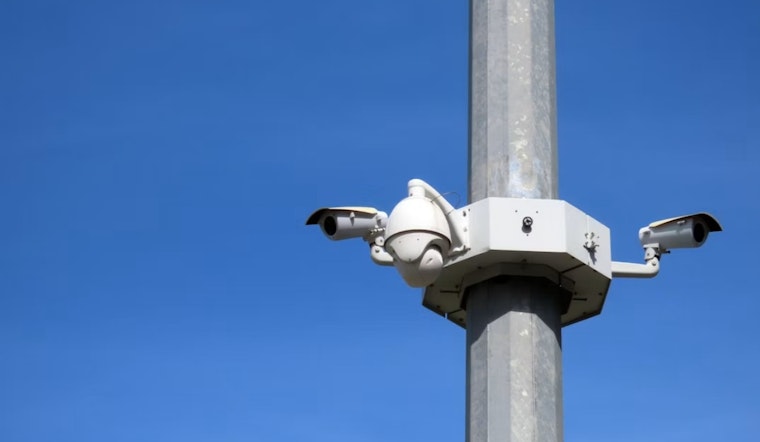
Federal immigration agents quietly mounted automated license plate readers on several major Michigan interstates, state records show, with no public hearings and very little fanfare. The devices, installed across 2024, 2025, and into 2026, were placed by U.S. Customs and Border Protection and by Homeland Security Investigations and are described in permits as rear-facing cameras that capture plate numbers and vehicle rear characteristics. Civil liberties groups warn that the covert placements could expand interior immigration enforcement and encourage pretextual traffic stops, even for drivers who are nowhere near an international crossing. Lawmakers in Lansing have responded with bills aimed at tightening how plate reader data is collected and shared.
Where the cameras were placed
Construction permits and reporting identify at least seven Border Patrol camera installations on Michigan trunklines, including I-94 in St. Clair and Macomb counties, I-75 and I-275 in Wayne County, I-69 in Branch County, U.S. 131 in Wexford County, and I-94 in Berrien County. Specific location details were redacted from permits, but the records show work carried out from 2024 to 2026. As reported by MLive, the placements followed a trunkline memorandum of understanding between federal immigration agencies and the Michigan Department of Transportation; Bridge Michigan has also detailed the expanding network of plate readers across the state.
What officials say
The Michigan Department of Transportation told reporters the automated readers were installed rear-facing "to capture license plate numbers and the back of a vehicle's color and shape only," a department spokesperson said. A CBP spokesperson defended the use of license plate readers as part of efforts to "detect illicit activity while supporting lawful trade and travel" and declined to disclose precise camera locations, citing operational security. MDOT also said it does not operate or have access to plate reader data, and that permits must meet state design and safety standards before approval. The Detroit Free Press reported those department statements along with the underlying permit records.
How plate reader data gets used
An investigation by The Associated Press found Border Patrol combines images from plate readers with pattern recognition software to flag vehicles whose movements look "suspicious," and that flagged plates sometimes lead agents to ask local police to make traffic stops. The AP's reporting, along with documents reviewed by news organizations, shows the agency feeds plate images into systems that match against hotlists and analyze routes for alleged "patterns of life." Civil liberties groups say that the setup can turn ordinary commuting into a data trail that triggers searches and enforcement far from the international border.
What advocates found
The ACLU of Michigan's report on Border Patrol operations in the state documented that nearly half of Border Patrol apprehensions began with a traffic stop by local police and that only about 1.3% of cases involved people attempting to cross from Canada. Statistics advocates say show how interior enforcement often starts with routine traffic contacts. Those findings have helped fuel calls for transparency, tighter retention limits, and restrictions on data sharing between local agencies and federal immigration authorities. Advocates argue that without clear guardrails, plate reader networks can be used to map people's movements and amplify racial profiling.
A state push to regulate readers
Responding to those concerns, a bipartisan pair of lawmakers introduced bills this year to set statewide rules for automated license plate readers, including limits on retention and public reporting requirements. The legislative package, outlined in local reporting and in the bill text, would require agencies to spell out permissible uses and create audit trails for who queries plate data. Michigan Advance tracked the bills and notes they joined similar efforts around the country.
Legal questions
Privacy lawyers say the combination of a broad 100-mile border zone and covert plate reader surveillance raises potential Fourth Amendment problems when alerts prompt stops and searches. The ACLU and other civil liberties groups are urging legislators and state agencies to insist on clear limits, independent oversight, and transparency about when and how plate data is accessed. For now, communities and privacy advocates say they will keep pushing for public records, hearings, and tighter rules in Lansing, while drivers on Michigan highways are left wondering exactly who is watching and why.




