

























































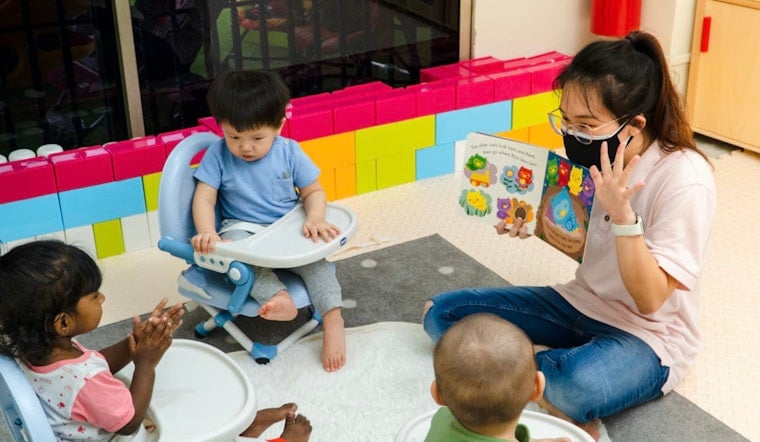
Across Florida, parents are watching childcare bills chew through their paychecks, and a lot of them are running out of ways to make the math work. In West Palm Beach, single mom Melissa North says more than $1,600 of her monthly pay disappears into daycare costs, and even at that price, she struggles to secure a reliable spot.
Fresh statewide estimates show the overall cost of raising a child has jumped sharply in just a year, adding even more pressure on already stretched family budgets.
According to LendingTree, Florida now ranks 14th among states for the cost to raise a child, with an 18-year total of about $280,280, up from nearly $254,031 last year. That tab includes day care, housing, food and health-insurance costs. Local reporting from WPTV highlights how those statewide numbers play out in real life, with parents like North shelling out more than $1,600 every month just to keep their kids in care so they can stay at work.
What's driving the spike
Experts point to a basic supply-and-demand crunch. There are not enough licensed childcare slots, operating costs are rising, and providers are struggling to hire and keep early-education workers. That combination pushes prices up and leaves families scrambling.
Child Care Aware of America reports that the national average price of care climbed to about $13,128 in 2024, with childcare prices rising roughly 29 percent from 2020 to 2024. Related work from the Center for American Progress shows how “child care deserts” and other supply gaps have helped push childcare costs ahead of other major household expenses in many communities.
The working-mom squeeze
The strain is especially sharp for mothers trying to stay in the workforce. Personal-finance rankings from WalletHub place Florida near the bottom for working moms, citing high childcare costs relative to women’s earnings and limited work-life supports.
WalletHub analyst Chip Lupo told WalletHub that women still earn roughly 82 to 85 percent of what men make. That pay gap makes pricey daycare feel even more punishing, particularly for single parents and lower-paid workers who have less room to maneuver when costs go up.
Policy and the budget
At the state level, lawmakers are trying to keep the system from unraveling entirely. The latest budget language designates nearly $978 million for the School Readiness program in the 2026 appropriations, with funding flowing to early-learning coalitions under a spending plan posted by the Florida Senate.
Coalition leaders and childcare providers say federal pandemic relief, including American Rescue Plan (ARPA) dollars, helped stabilize many programs. With that emergency money phasing out, the question now is whether state and local budgets can fill the gap, a concern highlighted in coverage from WPTV.
Where to look for help
For families caught in the crunch, the first stop is often their local early learning coalition or the state’s online family portal, where parents can check eligibility rules and waiting-list requirements for subsidies.
Palm Beach County’s School Readiness page, hosted at ELCPalmBeach.org, outlines how to apply for assistance and what it takes to keep a spot on the list. For now, many families are cobbling together support from state subsidies, employer childcare benefits and community programs, while policymakers debate longer-term investments that could help stabilize prices and expand the number of available slots.





