

























































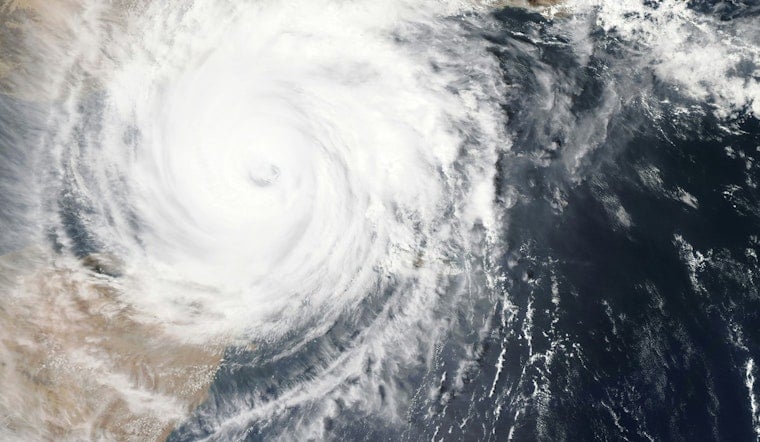
Hurricane season does not officially start until June 1, but Tampa Bay officials are already turning up the volume. National Hurricane Preparedness Week, running May 3–9, has local agencies urging residents to lock in their plans and stock up on emergency supplies now, before anything starts spinning in the Gulf. The early message comes as Colorado State University’s April outlook calls for 13 named storms, six hurricanes and two major hurricanes for 2026, a tally that falls slightly below long-term averages. Emergency managers are quick to add that forecasts are not a safety shield, since it only takes one storm to turn a season into a nightmare.
Colorado State University's Tropical Meteorology Project laid out the numbers in its initial seasonal forecast for the Atlantic basin, released April 9, according to Colorado State University. The team expects a shift toward El Niño, a pattern that tends to tamp down overall activity. At the same time, researchers flag warm Gulf waters and other local ingredients that can still power up serious hurricanes. Their summary reminds residents that "it only takes one hurricane making landfall to make it an active season," and urges people to prepare every year regardless of what the outlook says.
Local coverage is echoing that warning. A segment from FOX 13 Tampa Bay tied the CSU forecast directly to regional preparedness, using the slightly quieter outlook as a backdrop for a familiar message: do the work now, not when a cone suddenly includes your ZIP code. Hillsborough County Emergency Management is pushing residents to sign up for HCFL Alert, learn their evacuation and flood zones, and build a disaster kit with at least seven days of food and two weeks of medication, according to Hillsborough County. Officials are also recommending that drivers keep gas tanks at least half full and treat local evacuation orders as the playbook when they come.
How to prepare before June 1
Emergency managers say to start with the basics and write them down. Choose a safe room in your home, map out evacuation routes, and stash copies of crucial documents in a waterproof container. Sign up for local alert systems and follow guidance from the National Weather Service on when to shelter in place and when to hit the road. Check your insurance now, not after a storm pops up on radar. Flood insurance policies typically have a 30-day waiting period before coverage begins, so buying early is key, per FEMA's FloodSmart. And do not forget the extras that become essentials when power is out: pet supplies, medication refills, phone chargers and some cash.
Why a 'below-average' outlook is not a free pass
Seasonal forecasts tally storms, not the damage they cause, which is why a single hurricane tracking into a densely populated stretch of coastline can define an entire year. CSU and local officials alike have stressed that fewer storms in the wider Atlantic do not erase the risk to Tampa Bay or surrounding communities. The National Hurricane Center and local forecast offices continue to highlight storm surge, inland flooding and rip currents as top hazards, so residents are being urged to plan for more than just wind, even in what may be a quieter season overall.
This week’s outreach campaign is a reminder that preparedness plays out block by block. Residents are being encouraged to confirm their HCFL Alert registration, double-check evacuation zones, review insurance coverage, and look out for neighbors who may need extra time or help to get ready. Officials say that taking those steps now, during National Hurricane Preparedness Week, can turn a future emergency into a disruption that is tough but manageable instead of a full-blown disaster.





