

























































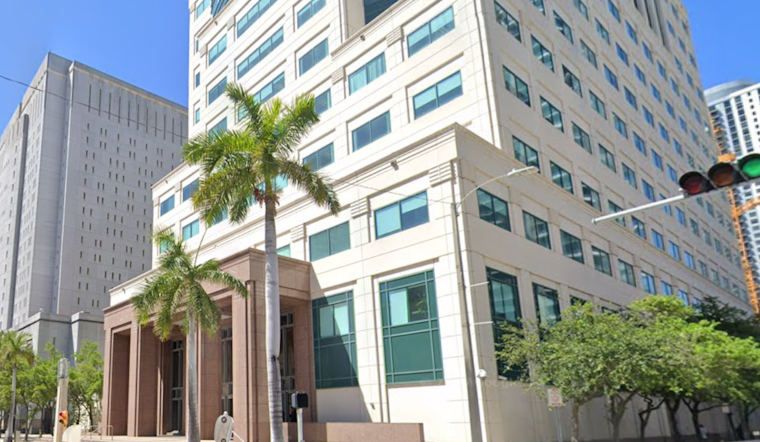
Florida’s nursing watchdogs are under fresh fire after a sprawling fake-diploma scheme quietly pumped unqualified would-be nurses into hospitals and clinics across the country, according to a new investigation by the Orlando Sentinel. State files and federal records reviewed by reporters show regulators spotted problems at several points but were slow and uneven in their response, leaving questionable diplomas in circulation while the operation kept humming along. Now, as prosecutors press ahead with a second round of criminal cases, hospitals and licensing boards are scrambling to sort legitimately trained nurses from those who used forged credentials to get in the door.
Federal prosecutors say the scheme generated roughly 7,300 bogus diplomas and related documents that were then used to qualify applicants for nursing board exams, according to the U.S. Attorney’s Office in the Southern District of Florida. National reporting has found that about 2,400 of those buyers ultimately passed state licensing exams, a detail that officials say makes it far tougher to pinpoint who actually completed the clinical training they claimed to have, according to the AP.
How the scheme worked
Federal investigators and oversight agencies say the fraud revolved around for-profit Florida nursing programs and third-party recruiters that sold transcripts and diplomas to people who had not finished the required coursework or clinical hours. The U.S. Department of Health and Human Services’ Office of Inspector General, along with partner agencies, has detailed the multi-state enforcement push that exposed the operation and the Florida schools later shut down for their roles in it, according to HHS-OIG. Buyers used those forged documents to sit for the NCLEX exam and, if they passed, to secure nursing licenses and jobs in facilities around the country.
Oversight failures in Florida
The Orlando Sentinel found significant holes in how the Florida Board of Nursing and the Department of Health tracked and flagged diplomas from the schools caught up in the scandal. In many cases, state records show inconsistent handling of suspect licenses or long delays before any action was taken. According to the paper’s review, official files now list dozens of revoked licenses and hundreds of flagged records tied to the implicated programs, a pattern that suggests Florida’s enforcement often kicked in only after problems had already hit the workplace, the Orlando Sentinel reports.
Where suspect nurses wound up
State and federal filings show that people who used the phony credentials were hired in hospitals, long-term care centers and Veterans Affairs facilities across the United States. Those placements created a patchwork of employer checks and regulatory responses as different systems tried to verify who was actually qualified to be at the bedside. Reporting has identified jobs at a mix of acute-care hospitals and VA medical centers, which helps explain why agencies and employers have rushed to cross-check records and pull questionable practitioners off schedules, according to the AP.
Legal fallout and the courts
The criminal cases are still far from over. In a second phase of the investigation, prosecutors in the Southern District of Florida have filed indictments naming school owners and administrators accused of conspiring to sell fraudulent diplomas and transcripts. The U.S. Attorney’s Office has listed multiple defendants in this latest round. One operator is facing wire fraud and money laundering charges and is scheduled for trial in federal court, according to prosecutors.
What employers and patients need to know
Regulators and national nursing organizations are urging employers to go back to basics with primary-source verification. That means confirming transcripts, clinical hours, and licenses directly through official registries and using tools like Nursys and the National Practitioner Data Bank when something looks off. The California Board of Registered Nursing and several other state boards have issued detailed guidance for health care employers and nurses as investigations continue and disciplinary cases are processed, according to the California BRN.
The Orlando Sentinel’s reporting lays out how Florida’s oversight lagged at key moments and why licensing boards around the country have since rolled out aggressive administrative measures. With prosecutions ongoing and license reviews still underway, officials say more revocations and regulatory decisions are likely in the coming months as agencies and employers try to close the gaps the scandal exposed.





