

























































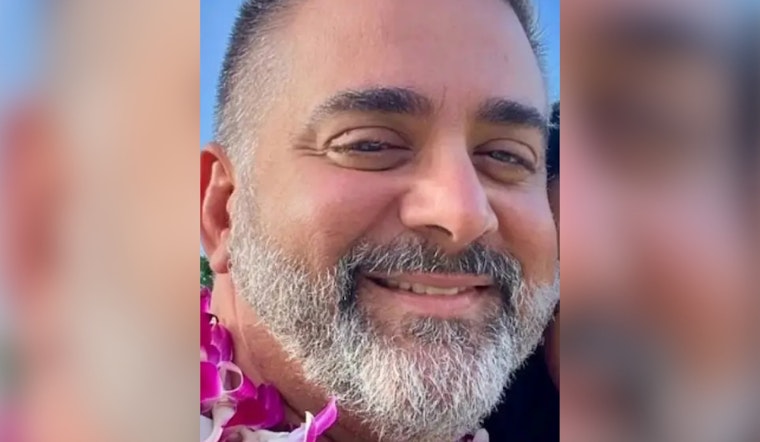
A convicted child molester from El Dorado County has vanished after a judge let him remain free on bail, and the last electronic trace of him points straight to San Francisco’s Sunset District. Carl Cacconie, 51, never showed up for his Aug. 25, 2025 sentencing and is now the subject of a bench warrant, a disappearance that has infuriated the victim’s family and the county’s top prosecutor, who say the court’s decision put public safety on the line.
Last tracked in S.F.'s Sunset District
According to a California Department of Justice missing-person listing, Cacconie was last seen in San Francisco on Aug. 22, 2025. An El Dorado County Probation Department report obtained by KCRA says his GPS ankle monitor last pinged from an address in the Sunset District on Aug. 17 before it went dark. The device was never recovered.
Cacconie’s relatives reported him missing to San Francisco police on the very day he was supposed to be sentenced, telling officers he had left a suicide note. Prosecutors, however, say they believe he is still alive and on the run.
Judge's decision draws fire
Cacconie was convicted on July 17, 2025 of six counts of committing lewd acts on a child under 14. Judge Michael J. McLaughlin found aggravating factors yet still allowed Cacconie to post $1 million bail and walk out of court while awaiting sentencing, according to the San Francisco Chronicle.
El Dorado County District Attorney Vern Pierson said his office had pushed hard for Cacconie to be remanded immediately after the guilty verdict. Pierson told reporters, “there's simply no question he should have been remanded into custody,” as reported by KCRA. The court has declined to comment, citing judicial ethics rules that bar judges from publicly discussing pending cases.
Legal outlook
Cacconie faced up to 18 years in state prison at the sentencing he skipped. El Dorado County prosecutors say a bench warrant is active and that anyone who spots him should call 911 and not try to confront him, ABC7 reports. Authorities have labeled him a fugitive and warned that anyone helping him stay hidden could face criminal charges.
The case has intensified calls from the victim’s family and legal observers to revisit how judges handle custody and bail decisions in serious child-sex cases, especially after a guilty verdict is already in the books.



