

























































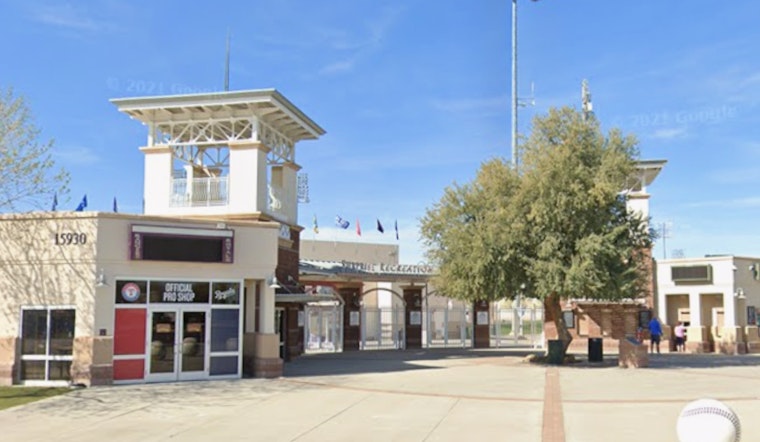
This week, college baseball tournaments are turning Arizona's spring training ballparks into an offseason cash rush. Surprise Stadium is hosting the Big 12, Sloan Park has the Mountain West, Hohokam Stadium is handling the WAC and Scottsdale Stadium is home to the West Coast Conference. What used to be a five-week Cactus League sprint has grown into a year-round slate of college postseason play, showcases and other ticketed events. Local officials say the strategy keeps hotel rooms filled and restaurant tables turning long after the last spring training pitch is thrown.
As reported by ABC15, the Arizona Sports and Tourism Authority has been steering upgrades and event bookings to turn Cactus League ballparks into what it calls "year-round economic engines." The cluster of tournaments hitting the Valley this month is one of the clearest payoffs so far, bringing major college programs and traveling fan bases to multiple stadiums in a tight window.
Big 12's first swing through Surprise
The Big 12 has moved its postseason championship to Surprise Stadium starting in 2026, the first time the conference will stage the event at the West Valley ballpark. According to the Big 12 Conference, the tournament will run May 19–23 and is expected to draw thousands of visiting fans. The Surprise Stadium’s event calendar also lists tournament sessions and Arizona Complex League games around those same dates, underscoring the ballpark's ability to handle multi-day, overlapping competition.
Other postseasons using Cactus League parks
The West Coast Conference is set to hold its 2026 tournament at Scottsdale Stadium from May 20–23, according to the WCC. Sloan Park in Mesa will host the Mountain West Championship May 21–24, the Mountain West has confirmed, and the WAC lists Hohokam Stadium as its host. Together, those conference schedules show how spring training infrastructure, from fields and clubhouses to practice complexes, can be repurposed for compact, high-profile postseason runs.
Why the push makes sense
Research has made the math pretty straightforward. Arizona State University’s Seidman Research Institute estimated that the Cactus League generated about $710.2 million in total economic activity in 2023, with roughly $418.5 million added to the state’s GDP. The W. P. Carey School at ASU found that visitors typically stay multiple nights and spend heavily on lodging, dining and local entertainment, the same categories cities are targeting by booking tournaments outside of March.
The Arizona Sports and Tourism Authority points to its grants and renovation work as a big part of that conversion. The agency's overview notes it has provided more than $84 million toward Cactus League facilities and highlights lodging and dining as top beneficiaries. As outlined on the Arizona Sports and Tourism Authority site, prior studies break spending into major slices for bars, restaurants and hotel rooms, which helps explain why cities are chasing non-March events so aggressively.
“We feel it during late February and throughout the month of March, but really it is a year-round effort,” Cactus League executive director Bridget Binsbacher told KJZZ while describing the push to expand the league’s footprint. Organizers say packaging hotel blocks, transportation and local experiences is key to turning one-off visitors into multi-night guests.
Local businesses say the impact is already visible. Hotel occupancy bumps up when tournaments are clustered across neighboring stadiums, and restaurants report bigger pregame and postgame crowds. As AZ Big Media reported, the Cactus League helped spur hotel development in parts of the West Valley, and the region is increasingly marketing full sports weekends to keep those rooms filled beyond spring training.
For Valley residents, that means more weekends with packed parking lots and longer waits at popular spots. For city planners, it is a chance to turn what used to be seasonal baseball infrastructure into a steadier, year-round revenue stream. Fans can find session and ticket details on the conferences' and stadiums' official event pages as the tournaments play out around the Phoenix area this month.





