

























































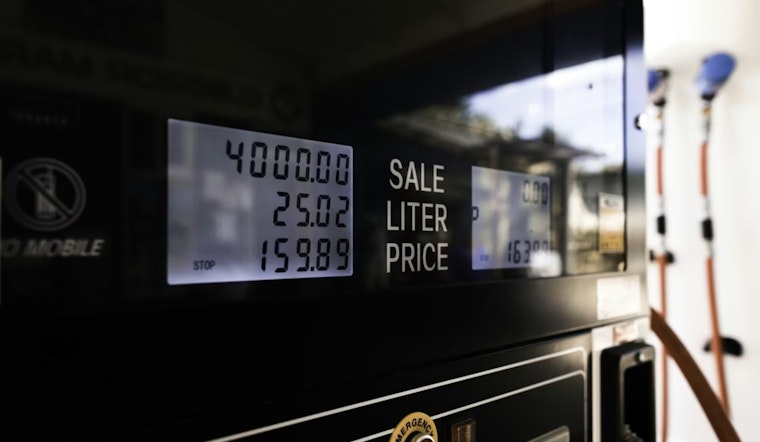
Facing higher prices at the pump, Cincinnati Metro officials went before a City Council committee this week with a clear message: it is getting more serious about convincing commuters to ditch their cars. In its annual update, the agency laid out a slate of new programs built around cheaper fares, loyalty perks and targeted service tweaks, all pitched as making the bus a more realistic rival to solo driving. Metro said it is already seeing a modest but noticeable bump in riders.
During the committee briefing, Metro walked through its latest plans, including fare incentives and service adjustments, according to Local 12. Agency leaders pointed to new ridership gains: express commuter trips climbed roughly 10% from March to April, with local routes posting smaller increases. Local public media has connected that uptick to rising fuel costs, and WVXU / Ideastream notes that March and April totals were slightly higher than during the same months last year.
New fare tools and rider rewards
To keep that momentum going, Metro has been rolling out modern fare tools aimed at making repeat bus travel cheaper and simpler. The agency’s Tap&Save fare‑capping system and its RiderRewards loyalty program were flagged as key pieces of that strategy, METRO Magazine reported. Officials say the goal is to stabilize costs for regular riders, move more people to digital payments and tempt occasional drivers to test out transit instead of automatically reaching for their keys.
Electric buses and service upgrades
On the service side, Metro is pairing its fare changes with visible upgrades to the fleet. The agency rolled out two battery‑electric buses on Earth Day and plans to expand that electric lineup later this year, WLWT reported. Agency leaders told reporters the new vehicles are expected to cut tailpipe emissions and trim maintenance needs as the system leans further into the technology, according to WVXU. Metro’s pitch is that cleaner buses, easier payment options and more targeted routing together should make choosing transit a simpler call for everyday commuters.
The agency is also leaning on basic arithmetic. A single bus trip costs $2.20 and a 30‑day pass runs about $88, figures that local coverage has highlighted, while AAA says the national average for regular gas recently climbed past $4.50 a gallon. Spectrum News 1 reports that officials are betting a mix of incentives, marketing and service upgrades will help keep those ridership gains rolling through the summer. City leaders, meanwhile, will be watching to see whether the new promises translate into a real and lasting drop in solo driving around the region.





