

























































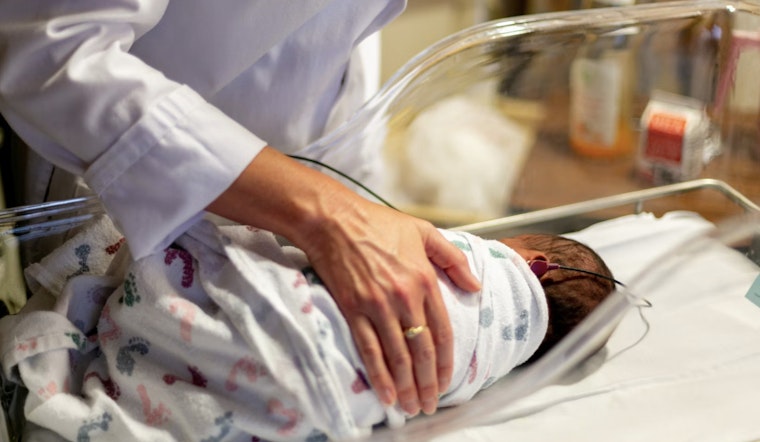
Across Georgia, hospitals are quietly building out a safety net for the state’s youngest patients, expanding their ability to care for infants and children so families are not always forced to race to Atlanta when something goes wrong. The effort, powered by a mix of state nudges and hospital investment in training, equipment and high-stakes simulation, aims to spread solid pediatric evaluation, stabilization and short-term care across suburban and rural emergency rooms. Hospital leaders say the goal is to close long-standing gaps where lengthy transfers have delayed critical treatment for sick or injured kids.
State Campaign Puts Pediatric Readiness on the Map
According to the Georgia Department of Public Health, 10 medical centers, about 30% of the state’s emergency departments, have earned pediatric readiness designations after external review. The voluntary program requires hospitals to document pediatric-specific training, stock child-sized supplies and create clear transfer protocols as part of a readiness verification. The initiative leans on the National Pediatric Readiness Project framework to help emergency departments spot gaps and systematically upgrade pediatric care.
As Northeast Georgia Health System reported, it became the first health system in the state to have every hospital in its network receive the pediatric-readiness designation. NGMC Gainesville is recognized as a Level II center, while several of the system’s smaller campuses hold Level III status. Leaders there say that kind of alignment across campuses keeps more children closer to home for initial stabilization and trims the number of cases that must be rushed to Atlanta. They also credit heavy investment in simulation and dedicated pediatric teams as key to their progress.
In a press release, Children’s Healthcare of Atlanta said its Scottish Rite and Arthur M. Blank hospitals achieved the highest Level I pediatric readiness designation, with Hughes Spalding earning a Level II designation. The system highlighted its robust simulation programs, performance-improvement reviews and deep bench of pediatric specialists as reasons surveyors called out those hospitals. Children’s leaders cast the recognition as evidence that their long-running investments in pediatric emergency care are starting to show up in measurable ways.
Neonatal Levels, From Local Nurseries to Top-Tier NICUs
Georgia has also been pushing hospitals to seek verification of neonatal intensive care levels, and recent reporting notes the state now lists nine designated neonatal centers. The top-tier Level IV neonatal designation, which under American Academy of Pediatrics guidance signifies 24/7 access to pediatric medical and surgical specialists plus advanced imaging, is currently held by Children’s Healthcare of Atlanta’s Arthur M. Blank and Scottish Rite hospitals, along with Memorial Health University Medical Center in Savannah. Memorial Health’s own description of the Dwaine and Cynthia Willett Children’s Hospital spells out its status as an AAP-verified Level IV NICU with advanced transport capability and in-house surgical support.
Evidence suggests that all this focus on readiness is not just for show. A national study in JAMA Network Open found that emergency departments in the top readiness quartile had significantly lower in-hospital mortality, in some medical cases by roughly 76%, compared with the least-ready EDs. That research underpins Georgia’s current push, and it lands in a state that already faces tough maternal and infant health numbers. Georgia received an F on the March of Dimes premature-birth report card, a reminder of the baseline risks that hospitals hope to blunt by making high-quality local care more accessible.
“By having everybody universally buy into these standards, my hope is that the process will raise the bar for the care that mothers and babies in Georgia can receive,” Dr. Brenda Poindexter told the Atlanta Journal-Constitution. Hospital leaders say that is playing out through regular simulation drills, meticulous supply audits and formal transfer agreements with pediatric centers designed to move the sickest newborns and children faster when a local facility reaches its limits. The state Department of Public Health continues to update its public lists as hospitals complete surveys and verification visits, giving families and providers a clearer view of where advanced pediatric and neonatal resources are available.





