

























































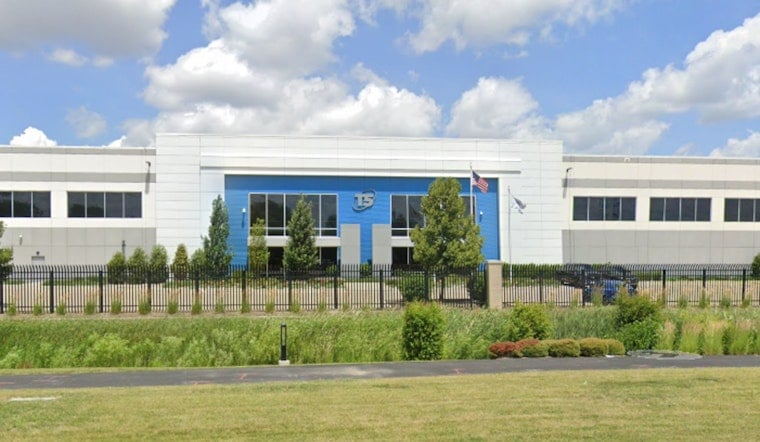
Construction crews are already reshaping a massive stretch of land in Grayslake for a new data center campus, even as tempers flare over what it will mean for water, jobs and residents' trust in village hall. Earthmoving has started on the first piece of the site, and a recent standing-room-only village meeting turned volatile when neighbors accused officials and developers of hiding the true scale of the project. One frustrated attendee summed up the mood: "They're being lied to ... or they're all lying to us."
According to the Chicago Tribune, village paperwork from 2024 described a roughly 225-acre plan, while the developer's own marketing materials suggest a far larger build-out. T5 Data Centers promotes its AI-ready T5 @ Chicago IV campus as capable of supporting up to 1.2 gigawatts of IT capacity, with the first phase slated to come online in 2027.
At the recent board meeting, residents pressed officials on what exactly was approved and how big the project could get, with neighbors including Jess Ortiz and Michael Smith saying they felt blindsided by the details. Ortiz told reporters she believes the village board "doesn’t know what they approved," while Smith said opponents are "looking at every avenue to stop the Grayslake data center," the Chicago Tribune reported.
Water And The Power Tradeoff
Industry talking points often tout air-cooled data centers as a fix for thirsty cooling systems, but researchers and environmental advocates say the story is not that simple. A report from Lawrence Berkeley National Laboratory estimates that U.S. data centers directly used about 17 billion gallons of water for cooling in 2023 and points to a much larger indirect water footprint tied to electricity generation. The Alliance for the Great Lakes similarly warns that air-based systems can shift water demand to power plants rather than eliminating it. Both groups have examined how hyperscale facilities sit at the center of a tight water-energy connection.
Local Water Agency Weighs In
The Central Lake County Joint Action Water Agency has told regional planners that, on paper, the campus' day-to-day water use would be relatively modest, under about 50,000 gallons per day. The spike, they say, comes during start-up periods, when initial commissioning and "flush and fill" work could run into the millions of gallons. One example in the agency's own slides shows a one-time flush for a 200 megawatt building of roughly 3.2 million gallons which, if spread across several days, would barely move the needle on typical daily demand. As outlined by CLCJAWA, the water supplier says the project fits within its existing Illinois Department of Natural Resources allocation.
Timeline, Jobs And Local Revenue
Talk to village leaders and developers and you get overlapping but not identical stories on just how big this thing could become. Officials describe a multibillion-dollar project that would bring in new tax revenue and hundreds of long-term positions. Village estimates shared in local coverage include around 1,500 permanent jobs and approximately 300 million dollars in added tax revenue over twenty years. Developer representatives, for their part, have spoken about a larger, multi-phase AI campus with a flexible build-out that scales with demand. T5's public materials list a Phase 1 delivery in 2027 and promote a campus that can grow as customers sign on.
Why Neighbors Are Pushing Back
Residents critical of the project point to disappearing farmland, what they see as limited local benefit compared with broader regional impacts and what they describe as spotty communication from elected officials. The land at the center of the project had been owned by the Alter family, and neighbors say they did not grasp that the ultimate build-out could reach tens of millions of square feet when land-use changes moved ahead. That lingering uncertainty has turned what might have been routine hearings into tense, sometimes fiery sessions where every new document is dissected.
For now, the grading and site work continue while both sides dig in for a longer battle. Developers and village officials maintain that approvals, environmental reviews and other requirements are in order. Residents and activists counter that they plan to pursue appeals and other challenges. What happens next will depend on technical permits, water-allocation decisions involving agencies such as IDNR and CLCJAWA and whether local leaders can repair the widening trust gap that now surrounds the project.





