

























































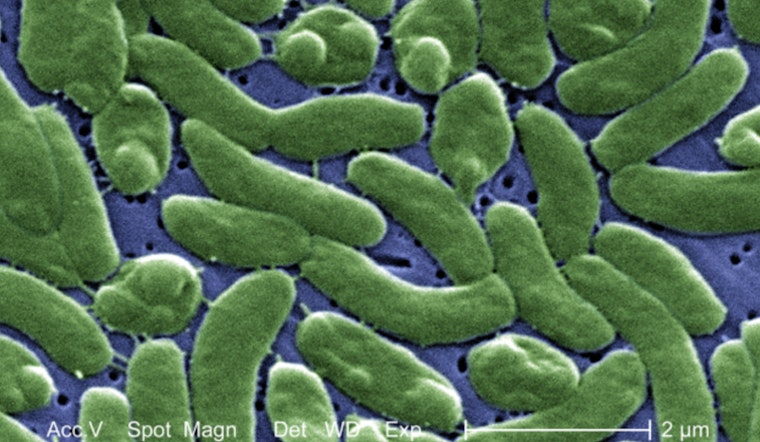
Vibrio vulnificus, the so-called "flesh-eating" bacterium, has turned up in several South Fork ponds and bays, and the fallout has been swift. Stony Brook University researchers say their latest sampling triggered state shellfishing closures, rattled local growers and sent oyster sales sliding just as the warm season kicks in. Town trustees are now scrambling to fund extra water testing to keep tabs on the threat.
Professor Christopher Gobler rolled out the findings at Stony Brook's State of the Bays briefing and did not sugarcoat the danger. "People who are infected with this bacteria have a 20% chance of dying within just 48 hours," he told reporters, according to Stony Brook University. His team has linked the recent detections to a surge in harmful algal blooms and expanding low-oxygen zones that create ideal conditions for vibrio to thrive.
Where It Turned Up
Local accounts say the lab has flagged Sagaponack Pond, Mecox Bay and Georgica Pond as new vibrio hotspots on the South Fork. At the same time, the New York State Department of Environmental Conservation has ordered temporary shellfishing closures for Old Fort Pond, effective April 28, along with portions of Shinnecock Bay in May, according to NYSDEC.
Why Scientists Are Worried
Researchers describe a one-two punch driving the problem. Warmer summer waters combine with chronic nitrogen pollution from aging septic systems, which feed algal blooms and carve out low-oxygen pockets that benefit vibrio. As Stony Brook researchers and regional coverage have noted, those shifts are creeping farther north along the coast. Local testing has repeatedly tagged Mecox Bay as prone to high bacterial levels, according to the Surfrider Foundation.
Oystermen Say The Panic Hurt Business
Growers say the science is one thing, the messaging is another. "It dropped our sales immediately by 30%," Eric Koepele of the Long Island Oyster Growers Association told Vanity Fair, adding that fear of vibrio can gut demand even when closures are narrow and precautionary. In response to the uproar, East Hampton Town Trustees voted to spend $89,100 on an expanded 2026 water-quality monitoring program, according to the East Hampton Star.
Health Advice For Beachgoers
Public-health agencies emphasize that vibrio infections remain rare, but they can turn life-threatening fast for people with liver disease or weakened immune systems. The Centers for Disease Control and Prevention advises keeping open wounds away from salt or brackish water, cooking shellfish thoroughly and seeking immediate medical care if a wound worsens quickly after water exposure. Detailed recommendations appear in the latest CDC guidance.
Officials say the stepped-up monitoring this summer should give managers the data they need to target temporary closures and tailor public advisories more precisely. Experts add that real, long-term protection will require infrastructure upgrades, including fewer cesspools, improved septic systems and restoration work such as aquaculture and seaweed bioextraction. As local trustees and researchers ramp up their sampling, everyone from restaurant owners to baymen to weekend beachgoers will be watching the test results, and the warning signs, very closely.



