

























































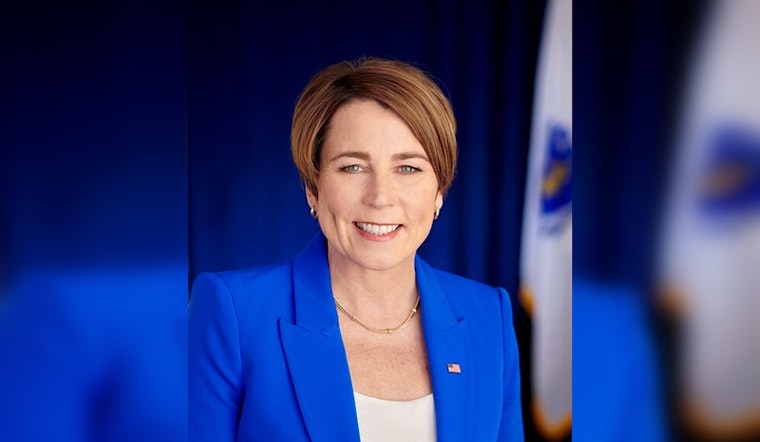
Governor Maura Healey hit an unexpected snag this week when the Massachusetts Governor’s Council narrowly voted 4-3 to reject her pick for the state Parole Board, Vincent DeMore. The rare public rebuke leaves a seat open on the seven-member panel and instantly revives long-running fights over how parole in Massachusetts should weigh public safety, victims’ voices and rehabilitation.
Councilors Tara Jacobs, Paul DePalo, Christopher Iannella and Mara Dolan voted against DeMore, while Joseph Ferreira, Tamisha Civil and Terrence Kennedy backed him. Healey had taken the unusual step of making a personal pitch for her nominee, sending a letter urging confirmation and arguing that DeMore’s background as a prosecutor and representative for crime victims would strengthen the board, according to WBUR.
DeMore’s résumé includes years in the Suffolk County district attorney’s office, a later turn in private practice and service as a judge advocate in the U.S. Army Reserve. Healey’s office highlighted his work with crime victims and extensive courtroom experience as reasons to add a prosecutorial perspective to the Parole Board, according to the governor’s office. His nomination drew both backing and criticism at a hearing earlier this spring.
Why some councilors pushed back
Councilors who opposed DeMore argued that another former prosecutor on the Parole Board would tilt the panel toward law enforcement at a time when many advocates are calling for more expertise in mental health, substance use and reentry. Testimony at the hearing and council debate pointed to the board’s current mix of backgrounds, including psychology, reentry work and probation, and warned that adding DeMore could shift that balance, as reported by The Boston Globe.
The 4-3 vote quickly set off strong reactions from prosecutors and victims’ advocates. A letter from the state’s district attorneys had urged DeMore’s confirmation, and prosecutors including Plymouth DA Timothy Cruz called him “more than qualified,” while Bristol DA Thomas Quinn blasted the council’s rejection as “outrageous,” according to the Boston Herald.
Why the decision matters now
The fight over this one seat lands at a high-pressure moment for the Parole Board. The panel is handling a surge of hearings after a 2024 decision by the state Supreme Judicial Court that people who were 18 to 20 at the time of an offense cannot receive life without parole, a ruling that immediately made more than 200 individuals newly eligible for review. The increased caseload, combined with public scrutiny after a high-profile shooting on Cambridge’s Memorial Drive in May, has put fresh focus on how parole decisions are made and who gets to sit on the board, according to reporting by the Associated Press and a Cambridge Police Department press release. AP and Cambridge Police.
Healey said she was disappointed by the council’s decision and will now look for new candidates to fill the vacancy while continuing to argue that the Parole Board needs both public safety experience and rehabilitative expertise. Her office said it plans to keep putting forward nominees to ensure the board has the mix of skills the governor believes the Commonwealth needs, per the governor’s office.





