

























































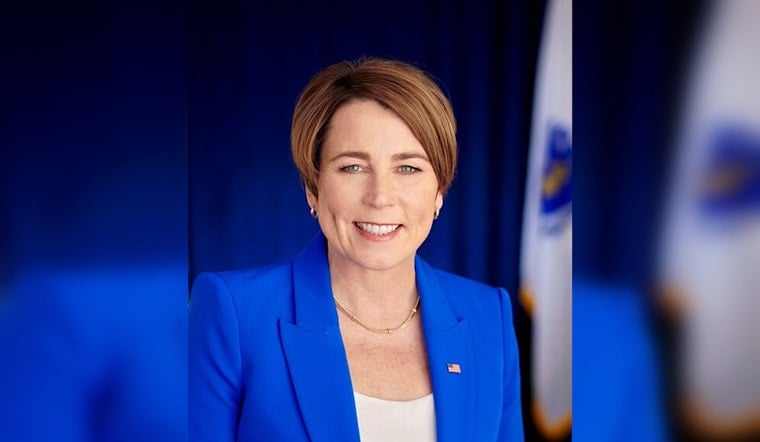
Governor Maura Healey is locked in a very public staring contest with the U.S. Justice Department over who gets to cruise around Massachusetts in cars that do not show up in standard plate searches. On May 27, 2026, Healey refused a Justice Department demand that the state scrap a Registry of Motor Vehicles policy that limits confidential, undercover license plates for certain federal agents. In a May 12 letter, the DOJ warned that if Massachusetts did not reverse course by May 22, the United States would seek judicial relief, setting up a test of how far a state can go in keeping ICE from operating under a cloak of vehicle anonymity. Healey’s team is not blinking, insisting the RMV policy is a public-safety and privacy measure that will stay in place.
In that May 12 letter, Assistant Attorney General Brett Shumate told Healey that the RMV was denying confidential plates to ICE while issuing them to other agencies and argued the policy “should be immediately withdrawn; otherwise, the United States intends to seek judicial relief.” The letter says the rule discriminates against the federal government under the Supremacy Clause and warns that easily identifiable federal vehicles could put officers and investigations at risk, according to documents posted by the Justice Department.
Healey’s office has countered that the RMV issues confidential registrations only for bona fide criminal investigations, including for Homeland Security Investigations once it certifies operations, and that ICE can still obtain non-confidential plates that state and local police can view. “Massachusetts is not going to allow state resources to be used to help ICE operate in secret,” a Healey spokesperson said, in comments reported by WBUR.
Inside Massachusetts’ Confidential Plate Program
The RMV’s confidential registration program is built to hide who actually owns or leases a vehicle. A plate check on these cars will not reveal names in RMV databases, the Department of Criminal Justice Information System or the National Law Enforcement Telecommunication System.
State guidance and the RMV application say confidential plates are reserved for situations that justify anonymity and require documentation, and officials say they demand certification that the registration is tied to a criminal investigation. Those rules and forms are laid out on Mass.gov and have been summarized in local coverage.
The Legal Knife-Edge
The Justice Department argues Massachusetts is singling out ICE in a way that violates the Supremacy Clause, citing United States v. Washington as an example of what happens when a state is seen as regulating the federal government directly or discriminating against it.
Legal analysts say a lawsuit would push courts to balance a state’s traditional authority over vehicle registration and its claimed duty to protect privacy against the federal government’s need for undercover tools it says protect agents and cases. The DOJ’s letter and the potential fallout are unpacked in reporting from the Boston Globe.
Why This Fight Is Blowing Up Now
The standoff slots neatly into Healey’s broader effort this year to dial back ICE activity in sensitive locations and push for more disclosure about federal arrests in Massachusetts. She has publicly pressed for details on who is being picked up and where, as outlined in her statement on Mass.gov.
Massachusetts is not alone. Several other Democratic-led states have moved to limit or pause confidential plates for certain federal agencies, drawing similar warning letters from DOJ and turning what sounds like a dry RMV rule into a broader showdown over immigration enforcement tactics. For a look at how this is playing out elsewhere, including Oregon’s version of the fight, see similar state moves.
What Happens Next
The DOJ’s May 12 letter set a firm May 22 deadline and reserved the right to sue if states did not comply. That date has come and gone, and both sides now acknowledge that a federal filing is one very real possibility, even as quiet negotiations continue behind the scenes.
In the meantime, Massachusetts officials are publicly leaning on themes of community safety and privacy, while federal lawyers keep hammering their arguments about officer safety and national authority. Local outlets have chronicled the back-and-forth as each side refines its talking points and legal posture. For a timeline of the dispute and on-the-ground reporting, see coverage from WGBH.




